
Direct answer
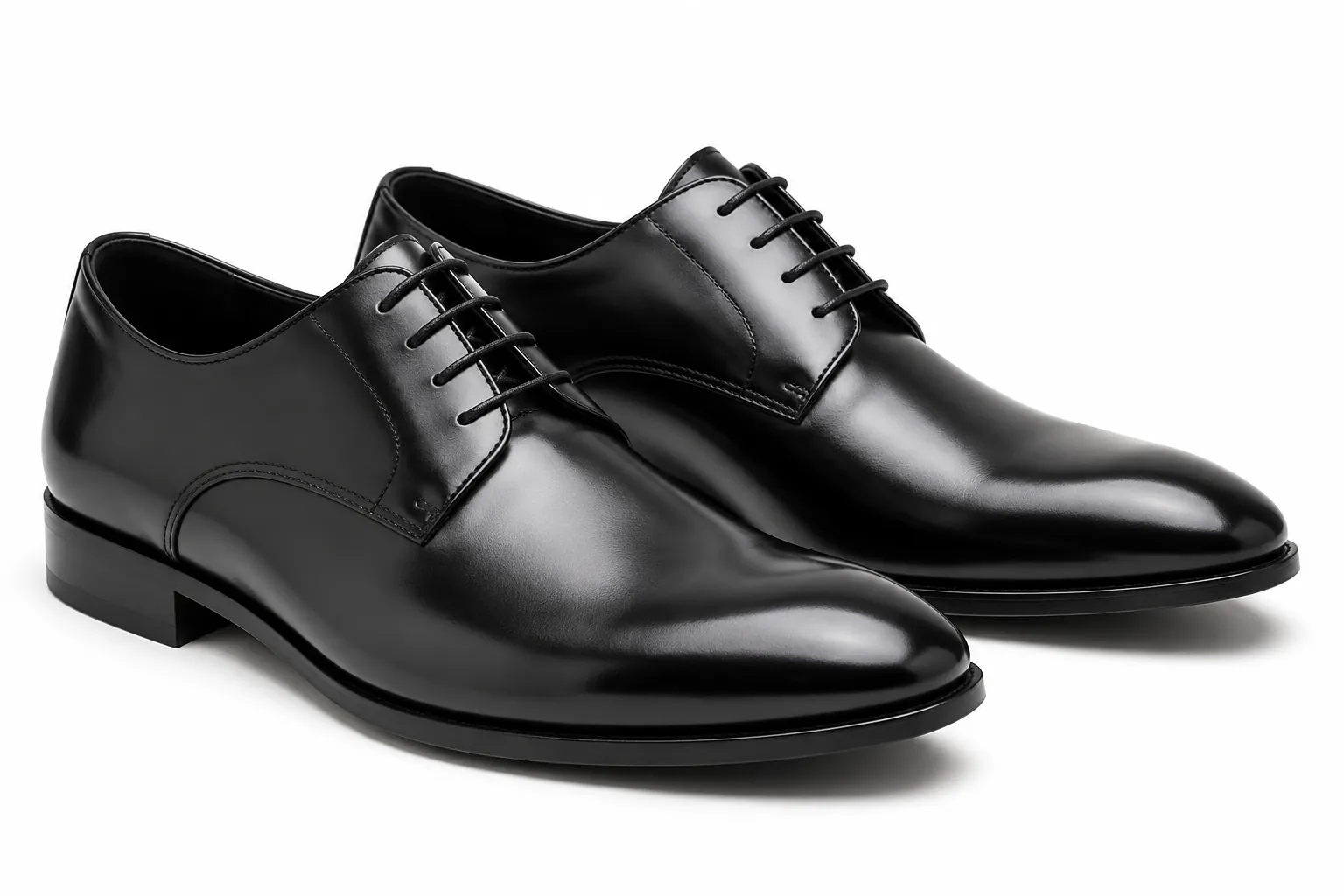
Write the brief around the occasion and wearer, then choose last, upper, leather, lining, construction, outsole, heel, finishing, and packaging as one position. Approve fit and appearance under the lighting and clothing context in which the shoe will be sold.
Buyer terminology and search intent
Buyers often reach the same sourcing problem through different phrases. Use each term to build a controlled product brief rather than a broad supplier promise.
- formal leather shoesThis guide uses the phrase as a practical buying topic and connects it to the specification, risk, and approval decisions behind formal shoes manufacturing guide for private label buyers.
- formal leather shoes for menThis product phrase should be qualified by target customer, material, construction, fit, size range, outsole, and intended occasion.
- formal leather shoes for womenThis product phrase should be qualified by target customer, material, construction, fit, size range, outsole, and intended occasion.
- formal leather oxford shoesThis product phrase should be qualified by target customer, material, construction, fit, size range, outsole, and intended occasion.
Related buyer searches
These SEMrush variants express closely related product research. They are grouped on this page because the sourcing answer depends on the same fit, material, construction, quality, and order controls.
- oxford formal shoes
- oxford formal shoes male
- men formal oxford shoes
- formal oxford shoes
- oxford formal shoes for men
Specification points to confirm
Use these five controls to make quotations and samples comparable. Name the reference, method, tolerance, owner, and approval status for every point that can change cost or quality.
| Control point | What the buyer should define | Why it matters |
|---|---|---|
| Occasion and dress code | Define business, black tie, wedding, ceremony, uniform, hospitality, school, or other use with channel expectations. | The correct material and outsole for eveningwear may not suit daily uniform use. |
| Silhouette and upper | Select Oxford, Derby, wholecut, pump, loafer, monk, or another style with toe shape, opening, and decoration. | Formal character comes from proportion and restraint, not one universal upper. |
| Leather and finish | Specify smooth, patent, grain, suede, corrected, or other leather plus color, gloss, polish, edge, and care. | Finish must support the intended visual standard and practical maintenance. |
| Construction and bottom | Define cemented, Blake, welted, stitched, heel, outsole material, tread, edge, waist, and target flex. | A refined profile can still include practical grip when designed deliberately. |
| Presentation and QC | Control pair shade, shape, symmetry, clean stitching, finish, protective wrapping, box, labels, and carton packing. | Formal shoes are often judged at close range, so finishing and presentation carry commercial weight. |
A four-stage buyer workflow
Turn the research into a decision that the factory can quote, sample, manufacture, inspect, and repeat.
Give the style a range role
Define the consumer, occasion, price position, material story, color, channel, and the job this SKU performs. Apply this control: Define business, black tie, wedding, ceremony, uniform, hospitality, school, or other use with channel expectations. The correct material and outsole for eveningwear may not suit daily uniform use.
Approve the fit platform
Set the last, opening, hold, toe allowance, flex, lining, insole, outsole, and wearing conditions before decoration. Apply this control: Select Oxford, Derby, wholecut, pump, loafer, monk, or another style with toe shape, opening, and decoration. Formal character comes from proportion and restraint, not one universal upper.
Engineer visible details
Control pattern geometry, seams, hardware, reinforcement, edge treatment, branding, grading, and component compatibility. Apply this control: Specify smooth, patent, grain, suede, corrected, or other leather plus color, gloss, polish, edge, and care. Finish must support the intended visual standard and practical maintenance.
Turn the sample into QC
Convert approved fit and appearance into measurements, photos, workmanship points, tests, packing rules, and defect limits. Apply this control: Define cemented, Blake, welted, stitched, heel, outsole material, tread, edge, waist, and target flex. A refined profile can still include practical grip when designed deliberately.
Sourcing risks and practical controls
Raise the assumptions most likely to change fit, appearance, cost, quality, or delivery before final sample approval.
Formal is translated into an excessively narrow fit
Control: Use a refined silhouette with internal volume appropriate to the target consumer.
High shine finish cracks at the vamp
Control: Review coating flexibility, leather structure, flex line, and wear testing on the final construction.
Smooth soles do not match the use environment
Control: Balance appearance with required grip, climate, floor surfaces, and customer expectations.
RFQ checklist
Attach images, drawings, a reference pair, or a tech pack, then state the order, market, and approval assumptions the factory must confirm.
- Occasion and dress code: Define business, black tie, wedding, ceremony, uniform, hospitality, school, or other use with channel expectations.
- Silhouette and upper: Select Oxford, Derby, wholecut, pump, loafer, monk, or another style with toe shape, opening, and decoration.
- Leather and finish: Specify smooth, patent, grain, suede, corrected, or other leather plus color, gloss, polish, edge, and care.
- Construction and bottom: Define cemented, Blake, welted, stitched, heel, outsole material, tread, edge, waist, and target flex.
- Presentation and QC: Control pair shade, shape, symmetry, clean stitching, finish, protective wrapping, box, labels, and carton packing.
- Order architecture: Estimated pairs by style, color, material, and size, plus launch and reorder expectations.
- Market requirements: Destination, channel, labels, testing, packaging, trade term, and customer-specific standards.
- Approval path: Sample purpose, reviewers, comment format, physical references, inspection plan, and release authority.
Frequently asked questions
These answers frame the most common buying decisions for this topic.
What are the most common formal shoe styles?
Cap toe and plain toe Oxfords, sleek Derbies, wholecuts, formal loafers, monk straps, evening pumps, and refined women's pumps or flats are common, depending on market and dress code.
Do formal shoes need patent leather?
Patent is associated with some evening and ceremonial uses, but polished smooth leather and other finishes can also be formal. The occasion and local expectations guide the choice.
Can formal shoes include cushioning?
Yes. Cushioning can be integrated through the insole, sock, foam, heel, lining, and outsole while preserving a refined profile if fit volume and construction are developed around it.