
Direct answer
Your RFQ should define the product and the commercial basis together. Include drawings or references, target market, size range, materials, construction, branding, packaging, quantity by SKU, quality expectations, delivery destination, trade term, and target timeline.
Buyer terminology and search intent
Buyers often reach the same sourcing problem through different phrases. Use each term to build a controlled product brief rather than a broad supplier promise.
- custom shoe manufacturersThis guide uses the phrase as a practical buying topic and connects it to the specification, risk, and approval decisions behind custom shoe manufacturer rfq checklist.
- custom shoes manufacturerThis supplier-search phrase usually signals commercial intent. Buyers should still verify the actual factory, category capability, and order model.
- custom leather shoesThis phrase points to development or brand ownership. It should lead to a clear brief covering fit, materials, construction, artwork, quantity, and approvals.
- shoe manufacturerThis supplier-search phrase usually signals commercial intent. Buyers should still verify the actual factory, category capability, and order model.
Related buyer searches
These SEMrush variants express closely related product research. They are grouped on this page because the sourcing answer depends on the same fit, material, construction, quality, and order controls.
- mens custom leather shoes
Specification points to confirm
Use these five controls to make quotations and samples comparable. Name the reference, method, tolerance, owner, and approval status for every point that can change cost or quality.
| Control point | What the buyer should define | Why it matters |
|---|---|---|
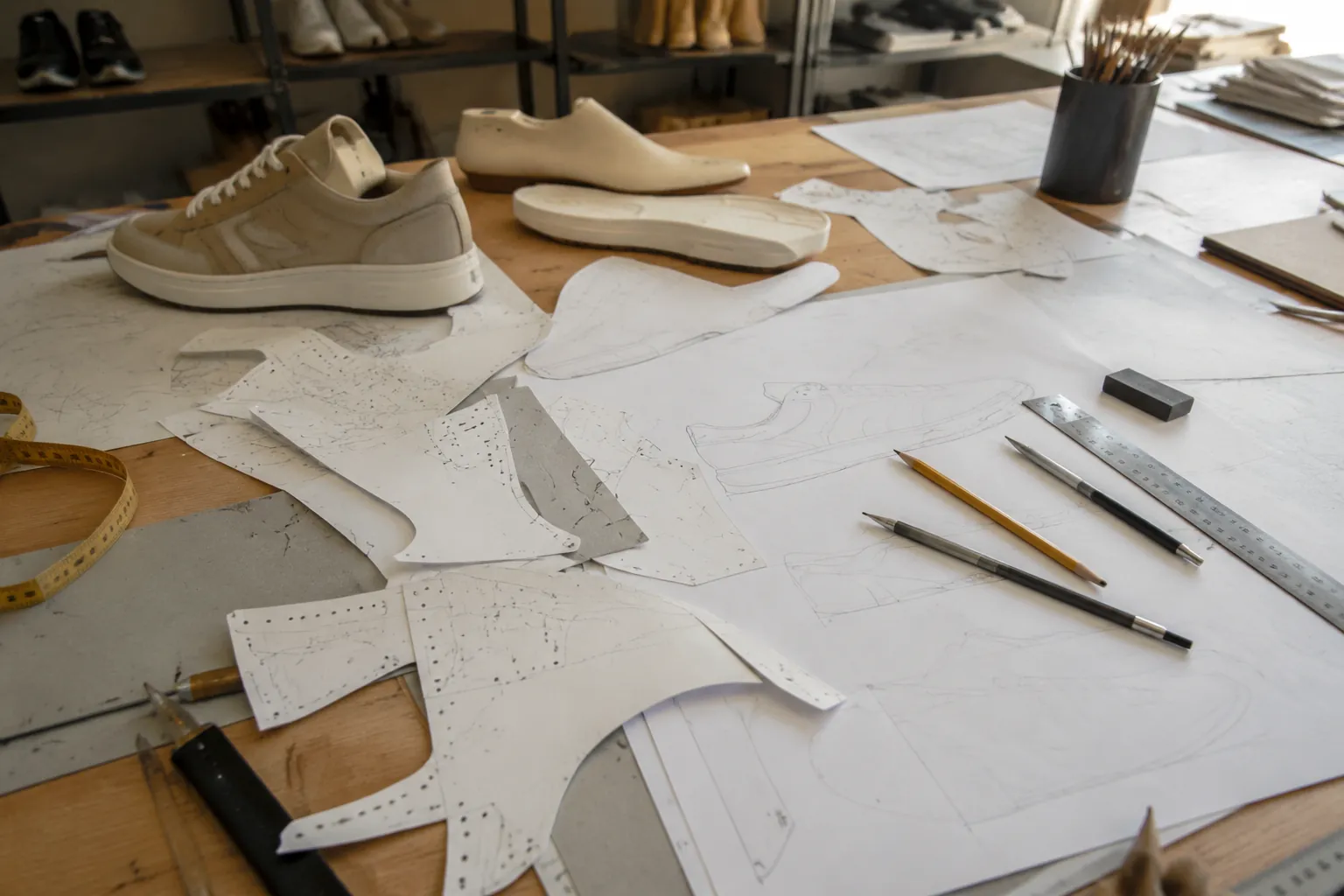
| Product reference | Attach clear views, drawings, a tech pack, reference pair notes, and a list of features that must not change. | The factory needs to distinguish design intent from incidental details in a reference image. |
| Construction brief | State upper pattern, last direction, toe shape, lining, insole, outsole, heel, attachment method, and target weight or flexibility. | Construction drives tooling, process, durability, comfort, price, and sample timing. |
| Material brief | Name the intended leather or alternative, color, finish, hand feel, thickness range, hardware, thread, and component standards. | A color name and the word leather are not sufficient for comparable quotations. |
| Order structure | Provide quantity by style and color, estimated size curve, number of SKUs, forecast, and whether a trial order is required. | Suppliers and component vendors plan minimums at different levels of the order. |
| Commercial delivery | Specify packaging, labels, testing, inspection, destination, Incoterm, requested cargo-ready date, and quote validity. | These items materially affect cost and should not be added after supplier selection. |
A four-stage buyer workflow
Turn the research into a decision that the factory can quote, sample, manufacture, inspect, and repeat.
Define the buying brief
Turn the target customer, product, quantity, market, commercial model, and approval path into one controlled brief. Apply this control: Attach clear views, drawings, a tech pack, reference pair notes, and a list of features that must not change. The factory needs to distinguish design intent from incidental details in a reference image.
Qualify the operating supplier
Verify who develops, produces, inspects, communicates, and owns each commitment before comparing price. Apply this control: State upper pattern, last direction, toe shape, lining, insole, outsole, heel, attachment method, and target weight or flexibility. Construction drives tooling, process, durability, comfort, price, and sample timing.
Sample and verify
Use representative materials, written comments, fit or performance checks, and dated approvals to test the proposed solution. Apply this control: Name the intended leather or alternative, color, finish, hand feel, thickness range, hardware, thread, and component standards. A color name and the word leather are not sufficient for comparable quotations.
Release a controlled order
Connect the purchase order to the approved sample, specification, quality plan, packing standard, and change process. Apply this control: Provide quantity by style and color, estimated size curve, number of SKUs, forecast, and whether a trial order is required. Suppliers and component vendors plan minimums at different levels of the order.
Sourcing risks and practical controls
Raise the assumptions most likely to change fit, appearance, cost, quality, or delivery before final sample approval.
A target price is given without a specification
Control: Share the price as a commercial objective and invite cost-engineering options without pretending all constructions are equivalent.
Images contain unmarked brand details
Control: Identify which logos, shapes, colors, and hardware are references only and which must be recreated with authorization.
Quotation assumptions remain in chat messages
Control: Ask for one consolidated quote and specification summary that records every material and commercial assumption.
RFQ checklist
Attach images, drawings, a reference pair, or a tech pack, then state the order, market, and approval assumptions the factory must confirm.
- Product reference: Attach clear views, drawings, a tech pack, reference pair notes, and a list of features that must not change.
- Construction brief: State upper pattern, last direction, toe shape, lining, insole, outsole, heel, attachment method, and target weight or flexibility.
- Material brief: Name the intended leather or alternative, color, finish, hand feel, thickness range, hardware, thread, and component standards.
- Order structure: Provide quantity by style and color, estimated size curve, number of SKUs, forecast, and whether a trial order is required.
- Commercial delivery: Specify packaging, labels, testing, inspection, destination, Incoterm, requested cargo-ready date, and quote validity.
- Order architecture: Estimated pairs by style, color, material, and size, plus launch and reorder expectations.
- Market requirements: Destination, channel, labels, testing, packaging, trade term, and customer-specific standards.
- Approval path: Sample purpose, reviewers, comment format, physical references, inspection plan, and release authority.
Frequently asked questions
These answers frame the most common buying decisions for this topic.
Should I include a target price in the RFQ?
Yes, if it is based on your retail model and expected specification. A target helps the manufacturer propose realistic materials or construction changes, but it should not replace a detailed brief.
Can I request a quote before I know the final material?
Yes. Ask for clearly labeled options, such as full-grain leather versus corrected leather or rubber versus TPR outsole. Do not compare suppliers unless their option assumptions match.
What files should accompany a custom shoe RFQ?
Useful files include a tech pack, vector logo artwork, color references, measurement or fit notes, packaging dielines, label data, product images, reference-pair annotations, and a quantity sheet by SKU.