
Loafers
Smart and versatile styles with a premium everyday feel.
Polished women's styles tuned for fashion, comfort, and commercial value across boutique, retail, and private-label programs.
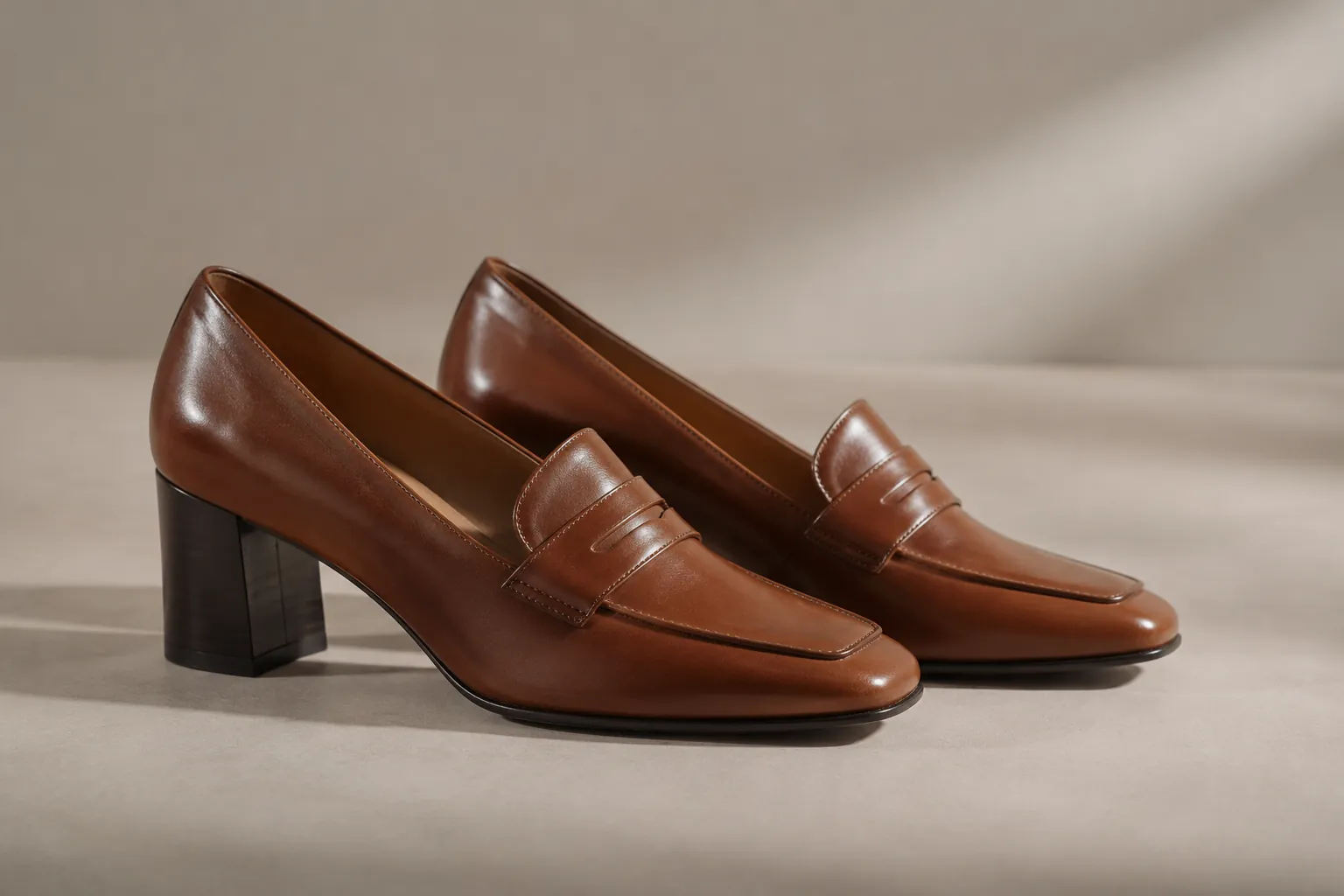
Smart and versatile styles with a premium everyday feel.
Comfort-forward options for retail programs and long wear.
Clean silhouettes for office, event, and dresswear assortments.
Seasonal styles for cooler markets and fashion collections.
We help you balance comfort, visual appeal, and unit cost by aligning materials, heel height, outsole type, and finishing details.
| Upper | Full grain leather, suede, or mixed upper combinations. |
|---|---|
| Comfort | Soft lining, padded footbed, and style-dependent fit guidance. |
| Branding | Logo insole, packaging, and custom color accents. |
| Packaging | Retail box, tissue, inserts, and export carton setup. |
Create a refined collection that feels coherent on shelves and online.
Source styles that can be maintained across seasons and regions.
Keep a clean commercial conversation around samples, margin, and packing.
Women's loafers, pumps, flats, Mary Janes, and Oxfords behave differently at the topline, ball joint, heel seat, instep, and toe box. Before styling work begins, define the customer profile, target heel height, wearing duration, hosiery assumption, width strategy, and sizes that must be physically checked. These decisions affect pattern geometry, reinforcement, padding, outsole flex, and the amount of adjustment that remains possible after a first sample.
A useful line brief also explains the role of each style. A core black loafer may need stable replenishment and conservative fit, while a seasonal square-toe or block-heel design can accept more fashion risk but tighter color and delivery windows. Sharing leather or packaging is valuable only when it does not hide different fit and construction requirements.
Check topline gaping, heel slip, toe clearance, ball position, heel pitch, shank support, strap length, buckle placement, outsole contact, flex point, lining seams, and wear marks. Use the sizes most likely to expose grading problems, not only the middle sample size.
Confirm that toe shape, ball position, heel height, pitch, and shank work together. A fashion sample can look correct on the table while creating pressure or instability during wear.
Control opening length, elastic recovery, strap position, counter shape, and lining friction for each silhouette. Loafers, pumps, flats, and Mary Janes should not inherit the same hold strategy without testing.
Separate core colors and repeatable components from short seasonal finishes. Record which articles can be reordered, their lead times, and the latest decision date for launch delivery.
We can tune the same style block for different budgets and markets. Tell us the shoe family, your target customer, and the preferred retail position.