
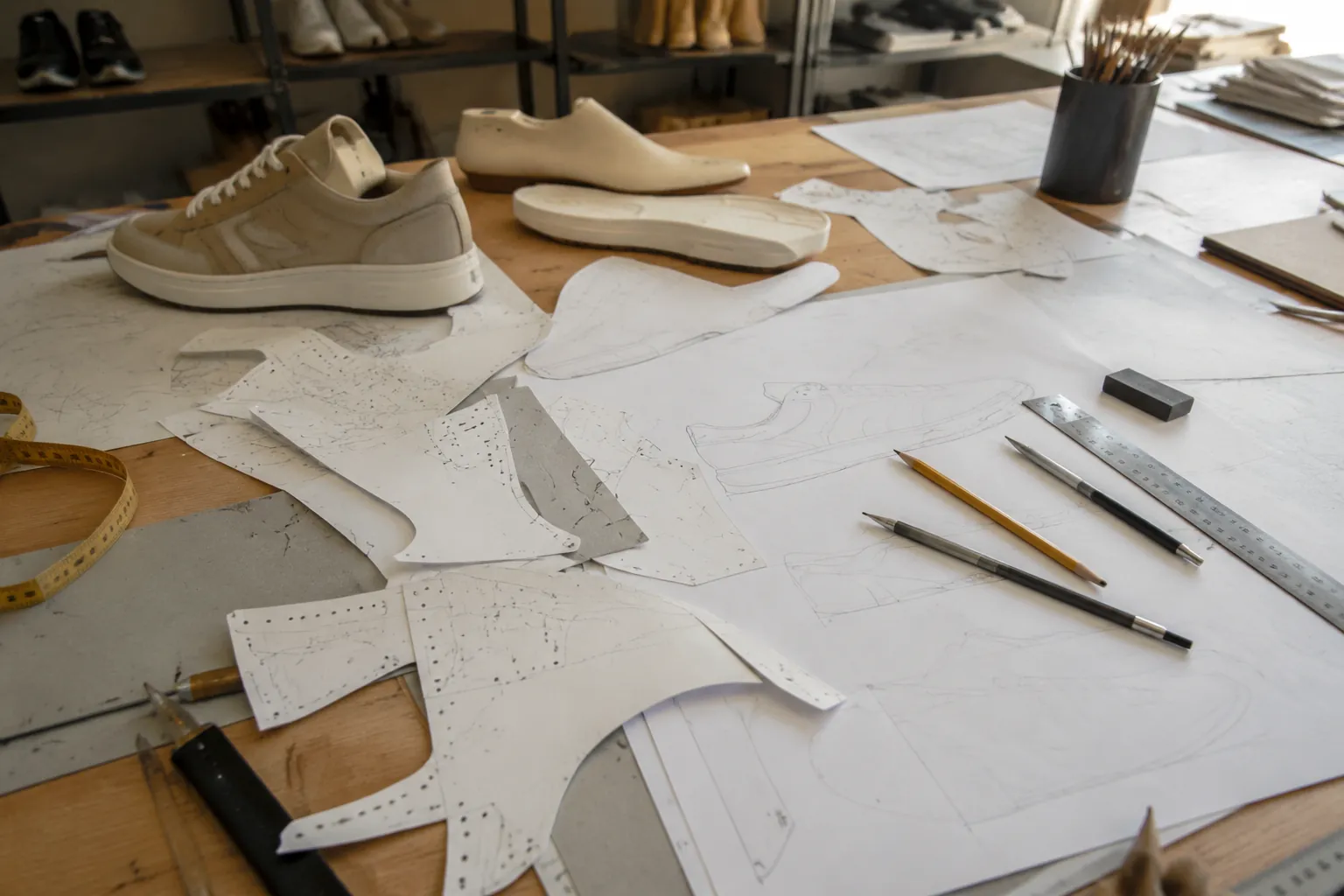
Direct answer
Create one controlled file with a style code, annotated views, bill of materials, colorways, construction section, key measurements, logo placements, size range, packing instructions, and revision history. Mark open decisions clearly instead of filling gaps with assumptions.
Buyer terminology and search intent
Buyers often reach the same sourcing problem through different phrases. Use each term to build a controlled product brief rather than a broad supplier promise.
- shoe tech packThis guide uses the phrase as a practical buying topic and connects it to the specification, risk, and approval decisions behind how to create a shoe tech pack for factory quotation.
- custom shoe manufacturersThis supplier-search phrase usually signals commercial intent. Buyers should still verify the actual factory, category capability, and order model.
- custom leather shoesThis phrase points to development or brand ownership. It should lead to a clear brief covering fit, materials, construction, artwork, quantity, and approvals.
- shoe manufacturing suppliesUse the term as an entry point, then replace broad language with measurable specifications and named approval evidence.
Specification points to confirm
Use these five controls to make quotations and samples comparable. Name the reference, method, tolerance, owner, and approval status for every point that can change cost or quality.
| Control point | What the buyer should define | Why it matters |
|---|---|---|
| Style identification | Assign a stable style code, version, date, category, gender, target market, and base size. | Consistent identification keeps quotations, samples, test reports, and purchase orders attached to the right version. |
| Annotated construction | Show top, side, bottom, and detail views with seams, reinforcements, topline treatment, edge finish, and outsole attachment. | A silhouette image alone does not explain how the shoe should be engineered or assembled. |
| Bill of materials | List the upper, backing, lining, sock, foam, insole board, shank, outsole, thread, hardware, adhesive, and packaging specification. | The bill of materials is the basis for cost comparison and substitution control. |
| Measurements and fit | Define the base size, last reference, fitting sample, critical dimensions, tolerances, and grading expectations. | Key fit points need objective checks in addition to visual approval. |
| Artwork and packing | Provide vector logos, placement dimensions, color references, label copy, barcode fields, box details, and carton marks. | Late artwork and packaging decisions often delay an otherwise approved shoe. |
A four-stage buyer workflow
Turn the research into a decision that the factory can quote, sample, manufacture, inspect, and repeat.
Lock the target platform
Define the consumer, fit, last, construction, target size range, and design points that should not move. Apply this control: Assign a stable style code, version, date, category, gender, target market, and base size. Consistent identification keeps quotations, samples, test reports, and purchase orders attached to the right version.
Translate intent into data
Create drawings, component descriptions, measurements, color references, artwork, and named open decisions. Apply this control: Show top, side, bottom, and detail views with seams, reinforcements, topline treatment, edge finish, and outsole attachment. A silhouette image alone does not explain how the shoe should be engineered or assembled.
Build and review samples
Review each sample against its stated purpose, recording fit, material, construction, appearance, and packaging comments separately. Apply this control: List the upper, backing, lining, sock, foam, insole board, shank, outsole, thread, hardware, adhesive, and packaging specification. The bill of materials is the basis for cost comparison and substitution control.
Freeze the bulk reference
Approve one controlled version and record the last, materials, measurements, tolerances, artwork, and pack-out used for production. Apply this control: Define the base size, last reference, fitting sample, critical dimensions, tolerances, and grading expectations. Key fit points need objective checks in addition to visual approval.
Sourcing risks and practical controls
Raise the assumptions most likely to change fit, appearance, cost, quality, or delivery before final sample approval.
The document looks complete but uses vague material names
Control: Add grade, thickness or weight, finish, color reference, supplier reference when required, and approved alternatives.
Old versions stay in circulation
Control: Use a revision table and one shared current file, then cancel obsolete versions in writing.
Tolerances are copied from another product
Control: Set tolerances around the actual construction, measurement method, and commercial need of the style.
RFQ checklist
Attach images, drawings, a reference pair, or a tech pack, then state the order, market, and approval assumptions the factory must confirm.
- Style identification: Assign a stable style code, version, date, category, gender, target market, and base size.
- Annotated construction: Show top, side, bottom, and detail views with seams, reinforcements, topline treatment, edge finish, and outsole attachment.
- Bill of materials: List the upper, backing, lining, sock, foam, insole board, shank, outsole, thread, hardware, adhesive, and packaging specification.
- Measurements and fit: Define the base size, last reference, fitting sample, critical dimensions, tolerances, and grading expectations.
- Artwork and packing: Provide vector logos, placement dimensions, color references, label copy, barcode fields, box details, and carton marks.
- Order architecture: Estimated pairs by style, color, material, and size, plus launch and reorder expectations.
- Market requirements: Destination, channel, labels, testing, packaging, trade term, and customer-specific standards.
- Approval path: Sample purpose, reviewers, comment format, physical references, inspection plan, and release authority.
Frequently asked questions
These answers frame the most common buying decisions for this topic.
Do I need technical drawings before contacting a factory?
No, but the factory must understand what is fixed and what needs development. Good reference photos and a structured brief can start the conversation, while a full tech pack improves quotation accuracy.
Can the manufacturer create the tech pack?
Many factories can help translate a concept into production documents. Clarify ownership, approval responsibility, development charges, and which file becomes the controlled bulk specification.
What file format should a shoe tech pack use?
A clearly exported PDF is useful for controlled review. Keep editable artwork, spreadsheets, CAD, and source files separately, with matching style codes and revision numbers.