
Direct answer
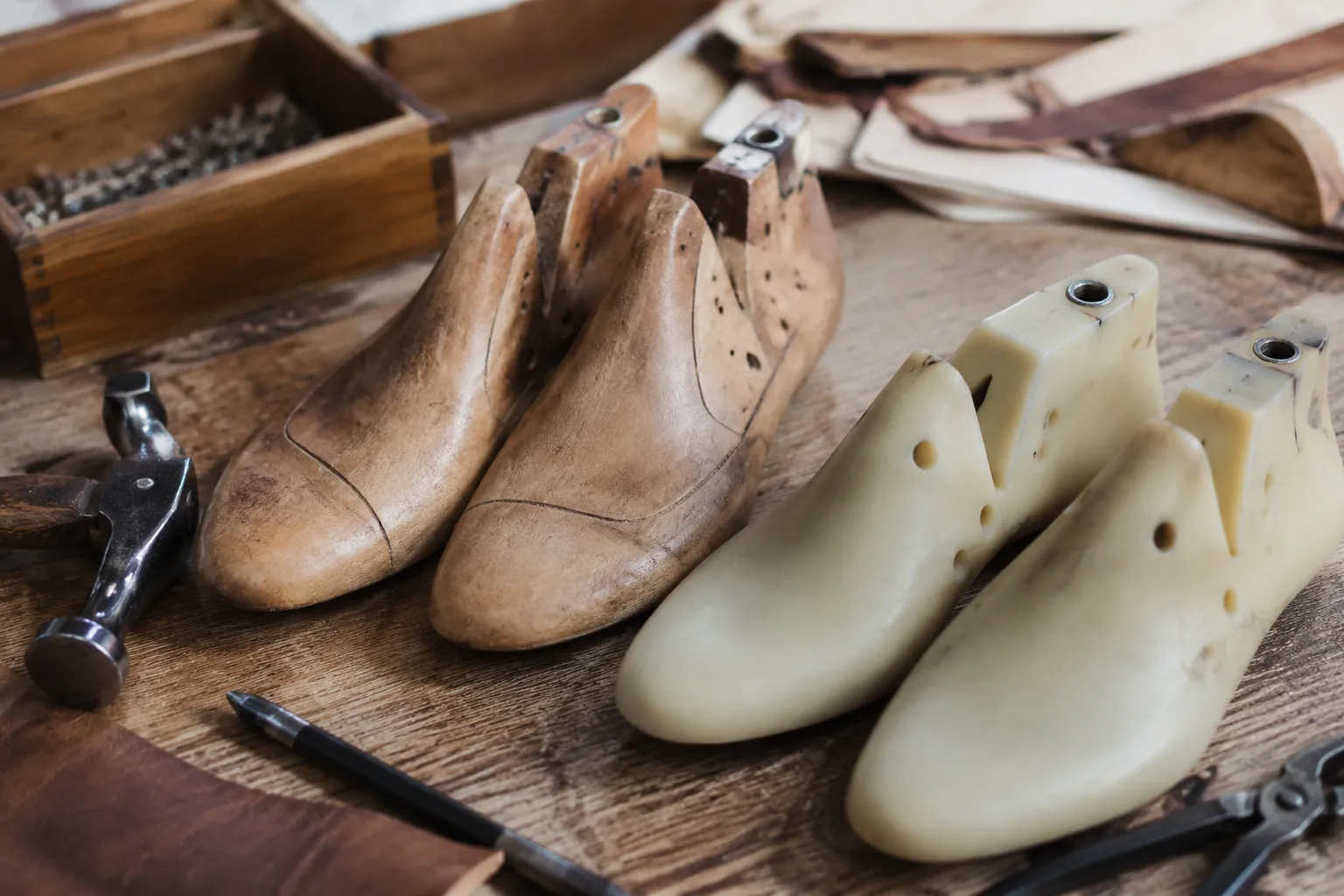
Start with the target customer and product category, then choose whether to adapt an available last or develop a new one. Approve the base-size fit with the intended construction and materials before grading, and control the last code and revision used for every sample and bulk order.
Buyer terminology and search intent
Buyers often reach the same sourcing problem through different phrases. Use each term to build a controlled product brief rather than a broad supplier promise.
- shoe last manufacturersThis guide uses the phrase as a practical buying topic and connects it to the specification, risk, and approval decisions behind shoe last development guide for leather footwear.
- custom leather shoesThis phrase points to development or brand ownership. It should lead to a clear brief covering fit, materials, construction, artwork, quantity, and approvals.
- mens leather dress shoesThis product phrase should be qualified by target customer, material, construction, fit, size range, outsole, and intended occasion.
- womens leather shoesThis product phrase should be qualified by target customer, material, construction, fit, size range, outsole, and intended occasion.
Specification points to confirm
Use these five controls to make quotations and samples comparable. Name the reference, method, tolerance, owner, and approval status for every point that can change cost or quality.
| Control point | What the buyer should define | Why it matters |
|---|---|---|
| Target foot profile | Define gender, market, width position, instep profile, toe allowance, heel shape, and any fit problem the range must solve. | Aesthetic references cannot replace the volume and proportion decisions required for the customer. |
| Toe and silhouette | Review toe spring, toe thickness, feather line, waist, heel seat, and side profile from several angles. | Small last changes can materially alter both style identity and pattern behavior. |
| Base-size fitting | Fit the agreed base size with the proposed upper, lining, insole, sock, and outsole construction. | The same last can feel different when material stiffness, padding, and construction change. |
| Grading strategy | Confirm size increments, width grading, extreme-size review, and compatibility with outsole size sets. | A good base size does not guarantee balanced fit at the smallest and largest sizes. |
| Identification and ownership | Record the last code, revision, size set, storage location, permitted use, maintenance, and ownership terms. | Clear control prevents accidental substitution and protects future reorders. |
A four-stage buyer workflow
Turn the research into a decision that the factory can quote, sample, manufacture, inspect, and repeat.
Lock the target platform
Define the consumer, fit, last, construction, target size range, and design points that should not move. Apply this control: Define gender, market, width position, instep profile, toe allowance, heel shape, and any fit problem the range must solve. Aesthetic references cannot replace the volume and proportion decisions required for the customer.
Translate intent into data
Create drawings, component descriptions, measurements, color references, artwork, and named open decisions. Apply this control: Review toe spring, toe thickness, feather line, waist, heel seat, and side profile from several angles. Small last changes can materially alter both style identity and pattern behavior.
Build and review samples
Review each sample against its stated purpose, recording fit, material, construction, appearance, and packaging comments separately. Apply this control: Fit the agreed base size with the proposed upper, lining, insole, sock, and outsole construction. The same last can feel different when material stiffness, padding, and construction change.
Freeze the bulk reference
Approve one controlled version and record the last, materials, measurements, tolerances, artwork, and pack-out used for production. Apply this control: Confirm size increments, width grading, extreme-size review, and compatibility with outsole size sets. A good base size does not guarantee balanced fit at the smallest and largest sizes.
Sourcing risks and practical controls
Raise the assumptions most likely to change fit, appearance, cost, quality, or delivery before final sample approval.
The last is selected only for appearance
Control: Run a structured fit review with the target construction before approving the silhouette.
The outsole and last are not matched early
Control: Check feather line, toe spring, waist, heel seat, and size compatibility before finalizing either component.
The base size passes but edge sizes do not
Control: Review graded measurements and make trial pairs at selected small and large sizes before bulk release.
RFQ checklist
Attach images, drawings, a reference pair, or a tech pack, then state the order, market, and approval assumptions the factory must confirm.
- Target foot profile: Define gender, market, width position, instep profile, toe allowance, heel shape, and any fit problem the range must solve.
- Toe and silhouette: Review toe spring, toe thickness, feather line, waist, heel seat, and side profile from several angles.
- Base-size fitting: Fit the agreed base size with the proposed upper, lining, insole, sock, and outsole construction.
- Grading strategy: Confirm size increments, width grading, extreme-size review, and compatibility with outsole size sets.
- Identification and ownership: Record the last code, revision, size set, storage location, permitted use, maintenance, and ownership terms.
- Order architecture: Estimated pairs by style, color, material, and size, plus launch and reorder expectations.
- Market requirements: Destination, channel, labels, testing, packaging, trade term, and customer-specific standards.
- Approval path: Sample purpose, reviewers, comment format, physical references, inspection plan, and release authority.
Frequently asked questions
These answers frame the most common buying decisions for this topic.
Should a brand use a stock last or a custom last?
A suitable stock last can reduce development cost and time. A custom or modified last is useful when the brand needs a distinctive silhouette, proprietary fit, or a profile not available from the factory.
Who owns a custom shoe last?
Ownership depends on the written commercial agreement. Confirm who pays for development, who may use it, where it is stored, how long it is retained, and what happens if production moves.
Can one last serve Oxford, Derby, and loafer styles?
Sometimes, but opening, instep hold, topline, and intended fit differ by style. Test each upper construction rather than assuming one approved last produces the same fit across categories.