
Direct answer
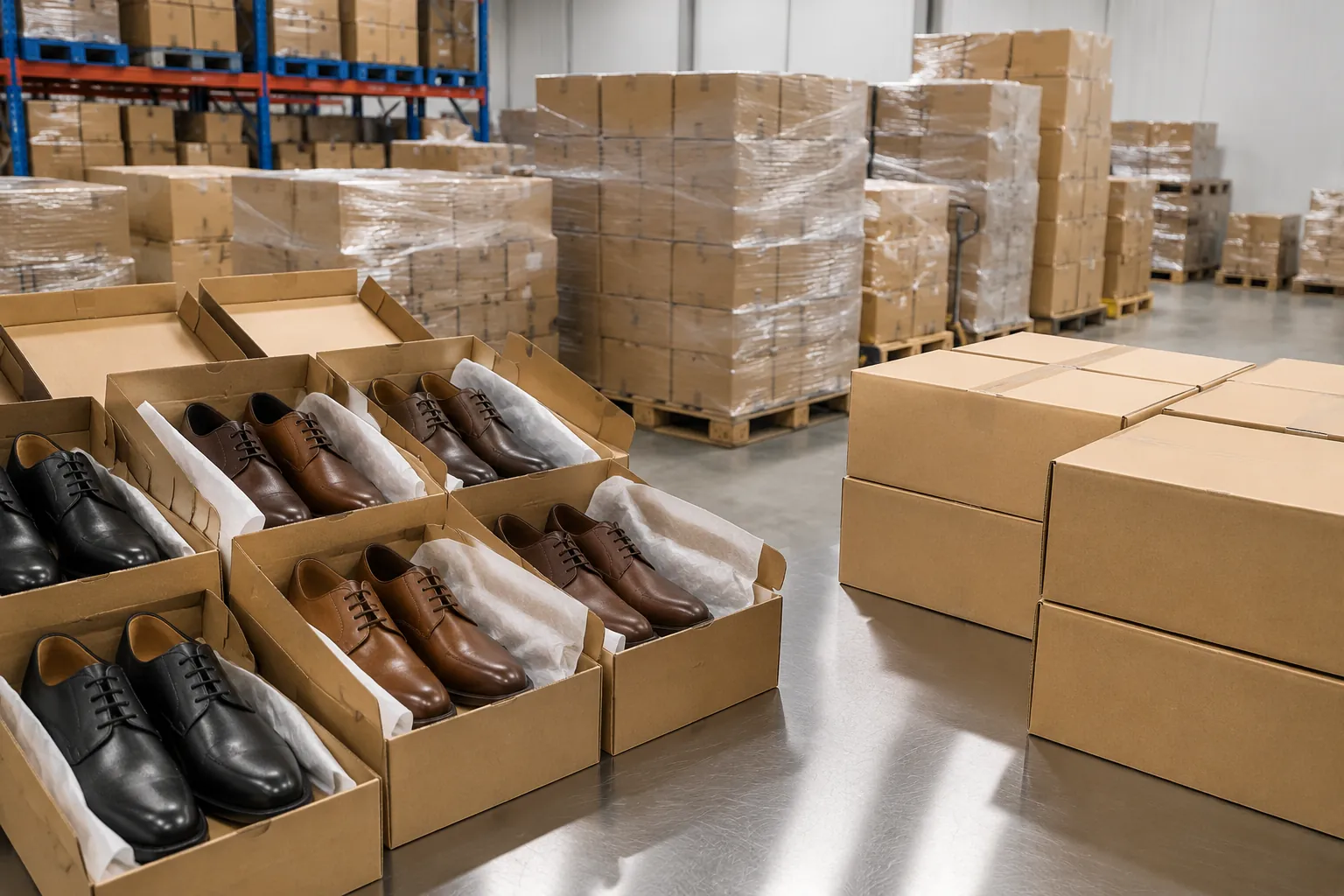
Begin with a focused range and a written brand specification. Approve the shoe and every customer-facing detail, including logo position, label content, box artwork, tissue, tags, carton marks, and the records needed to reproduce a reorder.
Buyer terminology and search intent
Buyers often reach the same sourcing problem through different phrases. The terms below are used naturally in this guide, but every phrase should lead back to a controlled product brief rather than a broad supplier promise.
- private label shoe manufacturersThis guide uses the phrase as a practical buying topic and connects it to the specification, risk, and approval decisions behind private label shoe manufacturers guide.
- private label shoes manufacturersThis supplier-search phrase usually signals commercial intent. Buyers should still verify the actual factory, category capability, and order model.
- private label shoeThis phrase points to development or brand ownership. It should lead to a clear brief covering fit, materials, construction, artwork, quantity, and approvals.
- private label shoesThis phrase points to development or brand ownership. It should lead to a clear brief covering fit, materials, construction, artwork, quantity, and approvals.
Related buyer searches
These SEMrush variants express closely related product research. They are grouped on this page because the sourcing answer depends on the same fit, material, construction, quality, and order controls.
- private label for shoes
Specification points to confirm
Use these five controls to make quotations and samples comparable. The final specification should name the reference, method, tolerance, owner, and approval status for every point that can change cost or quality.
| Control point | What the buyer should define | Why it matters |
|---|---|---|
| Range architecture | List styles, colors, size ranges, intended channels, target retail position, and expected quantity by SKU. | A compact range shares components and protects order depth better than many low-volume variations. |
| Brand application | Specify logo artwork, size, color, location, method, material surface, tolerance, and approval sample. | Embossing, printing, metal branding, sock logos, and woven labels behave differently in production. |
| Packaging system | Define shoe box dimensions, artwork, labels, tissue, stuffing, dust bags, hangtags, barcodes, and export carton marks. | Packaging is part of the private-label product and a common source of late delays. |
| Product standard | Approve the last, fit, upper, lining, insole, outsole, construction, color, finishing, and workmanship reference. | Branding cannot compensate for an undefined shoe specification. |
| Reorder control | Keep approved artwork, material codes, color standards, size specifications, packing data, and change history. | A repeat order is only repeatable when the original decisions are recorded. |
A four-stage buyer workflow
The workflow below turns research into a decision that a factory can quote, sample, manufacture, inspect, and repeat.
Define the buying brief
Turn the target customer, product, quantity, market, commercial model, and approval path into one controlled brief. Apply this control: List styles, colors, size ranges, intended channels, target retail position, and expected quantity by SKU. A compact range shares components and protects order depth better than many low-volume variations.
Qualify the operating supplier
Verify who develops, produces, inspects, communicates, and owns each commitment before comparing price. Apply this control: Specify logo artwork, size, color, location, method, material surface, tolerance, and approval sample. Embossing, printing, metal branding, sock logos, and woven labels behave differently in production.
Sample and verify
Use representative materials, written comments, fit or performance checks, and dated approvals to test the proposed solution. Apply this control: Define shoe box dimensions, artwork, labels, tissue, stuffing, dust bags, hangtags, barcodes, and export carton marks. Packaging is part of the private-label product and a common source of late delays.
Release a controlled order
Connect the purchase order to the approved sample, specification, quality plan, packing standard, and change process. Apply this control: Approve the last, fit, upper, lining, insole, outsole, construction, color, finishing, and workmanship reference. Branding cannot compensate for an undefined shoe specification.
Sourcing risks and practical controls
Most preventable problems begin as an assumption that was never added to the brief. Raise these points before the final sample or purchase order.
Too many SKUs split the opening order
Control: Reduce colors, reuse lasts and outsoles, and place depth behind the styles with the clearest role.
Logo approval is based on artwork only
Control: Approve the logo on the actual leather, lining, sock, hardware, box, and label materials.
Packaging is briefed after the shoe
Control: Develop box and label data alongside the product so dimensions, barcodes, language, and delivery timing align.
RFQ checklist
Attach images, drawings, a reference pair, or a tech pack where available. Then include the following information in the inquiry so the manufacturer can respond with assumptions and exclusions visible.
- Range architecture: List styles, colors, size ranges, intended channels, target retail position, and expected quantity by SKU.
- Brand application: Specify logo artwork, size, color, location, method, material surface, tolerance, and approval sample.
- Packaging system: Define shoe box dimensions, artwork, labels, tissue, stuffing, dust bags, hangtags, barcodes, and export carton marks.
- Product standard: Approve the last, fit, upper, lining, insole, outsole, construction, color, finishing, and workmanship reference.
- Reorder control: Keep approved artwork, material codes, color standards, size specifications, packing data, and change history.
- Order architecture: estimated pairs by style, color, material, and size, plus launch and reorder expectations.
- Market requirements: destination, channel, labels, testing, packaging, trade term, and any customer-specific standard.
- Approval path: sample purpose, reviewers, comment format, physical references, inspection plan, and release authority.
Frequently asked questions
What can be customized on private label shoes?
Typical options include materials, colors, last or fit, outsole, construction, stitching, hardware, sock and lining marks, embossing, printing, labels, boxes, tissue, dust bags, hangtags, and export cartons. Availability depends on quantity and tooling.
Do private label shoe manufacturers provide design help?
Many provide material suggestions, pattern adjustments, component options, and manufacturability guidance. Clarify whether the service is adaptation of an existing model or original development and who owns the resulting assets.
How should a small brand start?
Start with a narrow customer and product promise, limit unique components, prioritize one or two strong shapes, and invest in fit and material approval. A disciplined first range creates better learning than a broad shallow assortment.