
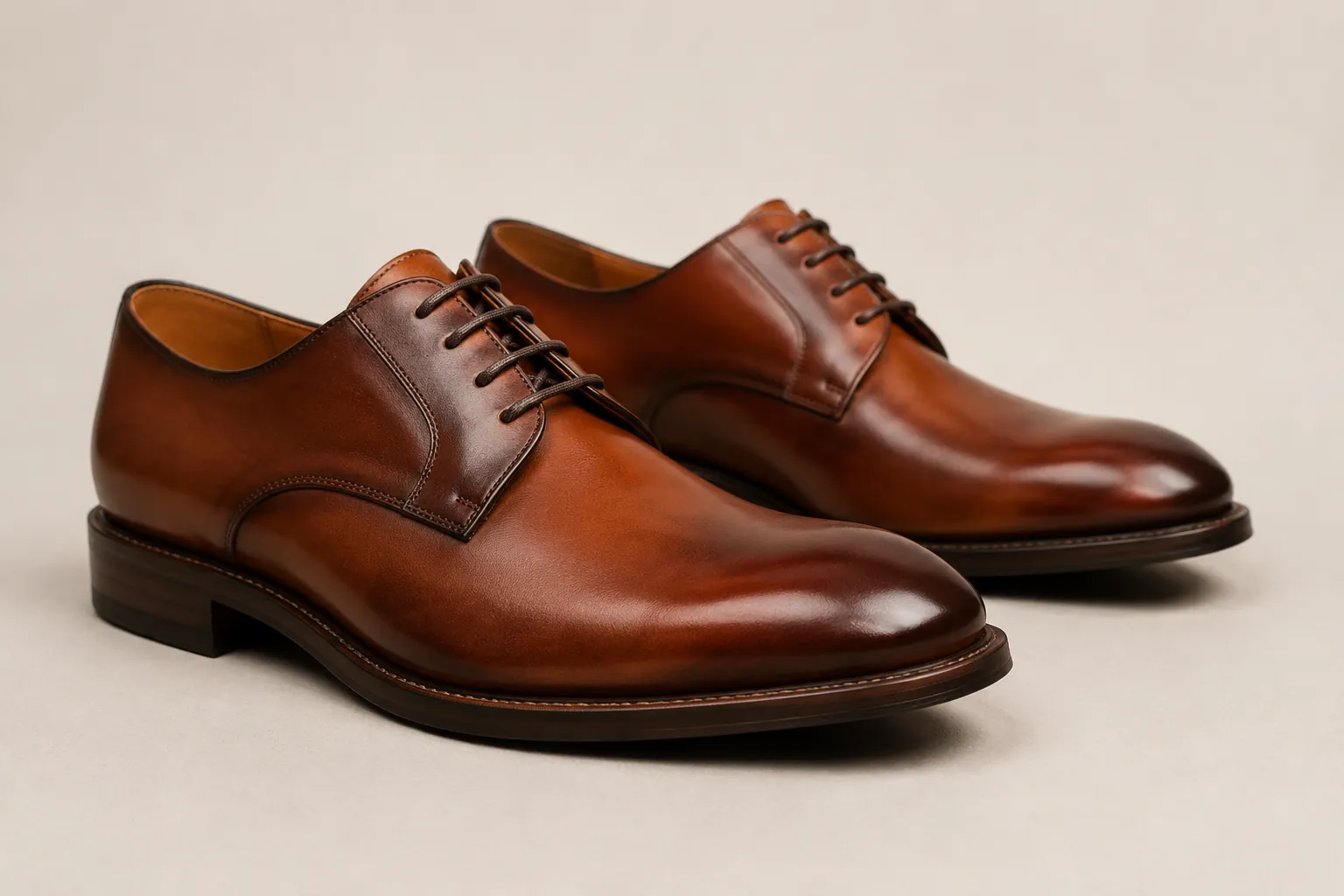
Direct answer
Choose Oxfords for a cleaner, more formal closed-lacing line and Derbies for easier opening, greater instep adjustability, and broad formal-casual use. Do not compare silhouettes alone: last volume, throat design, facing gap, material stiffness, and lining all influence fit.
Buyer terminology and search intent
Buyers often reach the same sourcing problem through different phrases. Use each term to build a controlled product brief rather than a broad supplier promise.
- oxford vs derby shoesThis guide uses the phrase as a practical buying topic and connects it to the specification, risk, and approval decisions behind oxford vs derby shoes: fit, style, and sourcing differences.
- oxford shoes vs derbyThis research phrase signals a comparison or classification need. The useful answer is a decision framework rather than a one-line winner.
- derby vs oxford shoesThis research phrase signals a comparison or classification need. The useful answer is a decision framework rather than a one-line winner.
- blucher shoe vs oxfordThis research phrase signals a comparison or classification need. The useful answer is a decision framework rather than a one-line winner.
Related buyer searches
These SEMrush variants express closely related product research. They are grouped on this page because the sourcing answer depends on the same fit, material, construction, quality, and order controls.
- shoes derby vs oxford
- oxford vs derby shoe
Specification points to confirm
Use these five controls to make quotations and samples comparable. Name the reference, method, tolerance, owner, and approval status for every point that can change cost or quality.
| Control point | What the buyer should define | Why it matters |
|---|---|---|
| Lacing structure | Confirm closed Oxford lacing or open Derby and show the quarter-to-vamp relationship in the pattern and sample. | Some commercial names are used loosely, so construction should be visible in the specification. |
| Instep adjustment | Review throat opening, facing gap, tongue, eyelet position, lace length, and fit on target instep profiles. | Derbies generally open wider, while Oxfords need careful volume and facing control. |
| Last character | Match toe shape, waist, heel, toe spring, and volume to formal, business, wedding, or smart-casual positioning. | The last can make either construction look refined, contemporary, or casual. |
| Pattern and reinforcement | Control vamp length, facing reinforcement, tongue attachment, seam position, topline, and quarter balance. | Poor pattern balance causes gaping, uneven facings, pressure, or distorted toplines. |
| Range architecture | Plan color, leather, brogueing, toe treatment, outsole, and finish around distinct consumer use cases. | Clear product roles prevent Oxford and Derby SKUs from competing with each other inside the same range. |
A four-stage buyer workflow
Turn the research into a decision that the factory can quote, sample, manufacture, inspect, and repeat.
Normalize the baseline
Compare options against the same consumer, specification, quantity, quality level, trade term, and approval scope. Apply this control: Confirm closed Oxford lacing or open Derby and show the quarter-to-vamp relationship in the pattern and sample. Some commercial names are used loosely, so construction should be visible in the specification.
Separate real tradeoffs
List the effects on fit, appearance, performance, tooling, minimums, unit cost, landed cost, and reorder risk. Apply this control: Review throat opening, facing gap, tongue, eyelet position, lace length, and fit on target instep profiles. Derbies generally open wider, while Oxfords need careful volume and facing control.
Validate with evidence
Use samples, sections, measurements, test results, factory records, and qualified professional advice where required. Apply this control: Match toe shape, waist, heel, toe spring, and volume to formal, business, wedding, or smart-casual positioning. The last can make either construction look refined, contemporary, or casual.
Record the decision
Document why the selected option fits the range and which assumptions must be reconfirmed before bulk or reorder. Apply this control: Control vamp length, facing reinforcement, tongue attachment, seam position, topline, and quarter balance. Poor pattern balance causes gaping, uneven facings, pressure, or distorted toplines.
Sourcing risks and practical controls
Raise the assumptions most likely to change fit, appearance, cost, quality, or delivery before final sample approval.
Oxford facings close completely during fitting
Control: Review last volume and facing allowance because no adjustment space may indicate excess volume or future looseness.
Derby quarters flare away from the foot
Control: Adjust pattern, reinforcement, topline, and last relationship rather than relying on tighter lacing.
The same outsole makes both styles visually identical
Control: Use construction, edge profile, finish, leather, and color to give each style a deliberate range role.
RFQ checklist
Attach images, drawings, a reference pair, or a tech pack, then state the order, market, and approval assumptions the factory must confirm.
- Lacing structure: Confirm closed Oxford lacing or open Derby and show the quarter-to-vamp relationship in the pattern and sample.
- Instep adjustment: Review throat opening, facing gap, tongue, eyelet position, lace length, and fit on target instep profiles.
- Last character: Match toe shape, waist, heel, toe spring, and volume to formal, business, wedding, or smart-casual positioning.
- Pattern and reinforcement: Control vamp length, facing reinforcement, tongue attachment, seam position, topline, and quarter balance.
- Range architecture: Plan color, leather, brogueing, toe treatment, outsole, and finish around distinct consumer use cases.
- Order architecture: Estimated pairs by style, color, material, and size, plus launch and reorder expectations.
- Market requirements: Destination, channel, labels, testing, packaging, trade term, and customer-specific standards.
- Approval path: Sample purpose, reviewers, comment format, physical references, inspection plan, and release authority.
Frequently asked questions
These answers frame the most common buying decisions for this topic.
Are Oxford shoes always more formal than Derby shoes?
Oxfords usually read as more formal because of the closed lacing, but leather, color, toe design, brogueing, sole, edge, and last can move either style across the spectrum.
Which style fits a high instep better?
Derby construction often provides more opening and adjustment. Actual fit still depends on last volume, tongue, facing, material, and size grading.
Can Oxford and Derby shoes use the same last?
They can if the last supports both product briefs, but each upper must be patterned and fitted independently because opening and hold differ.