
Direct answer
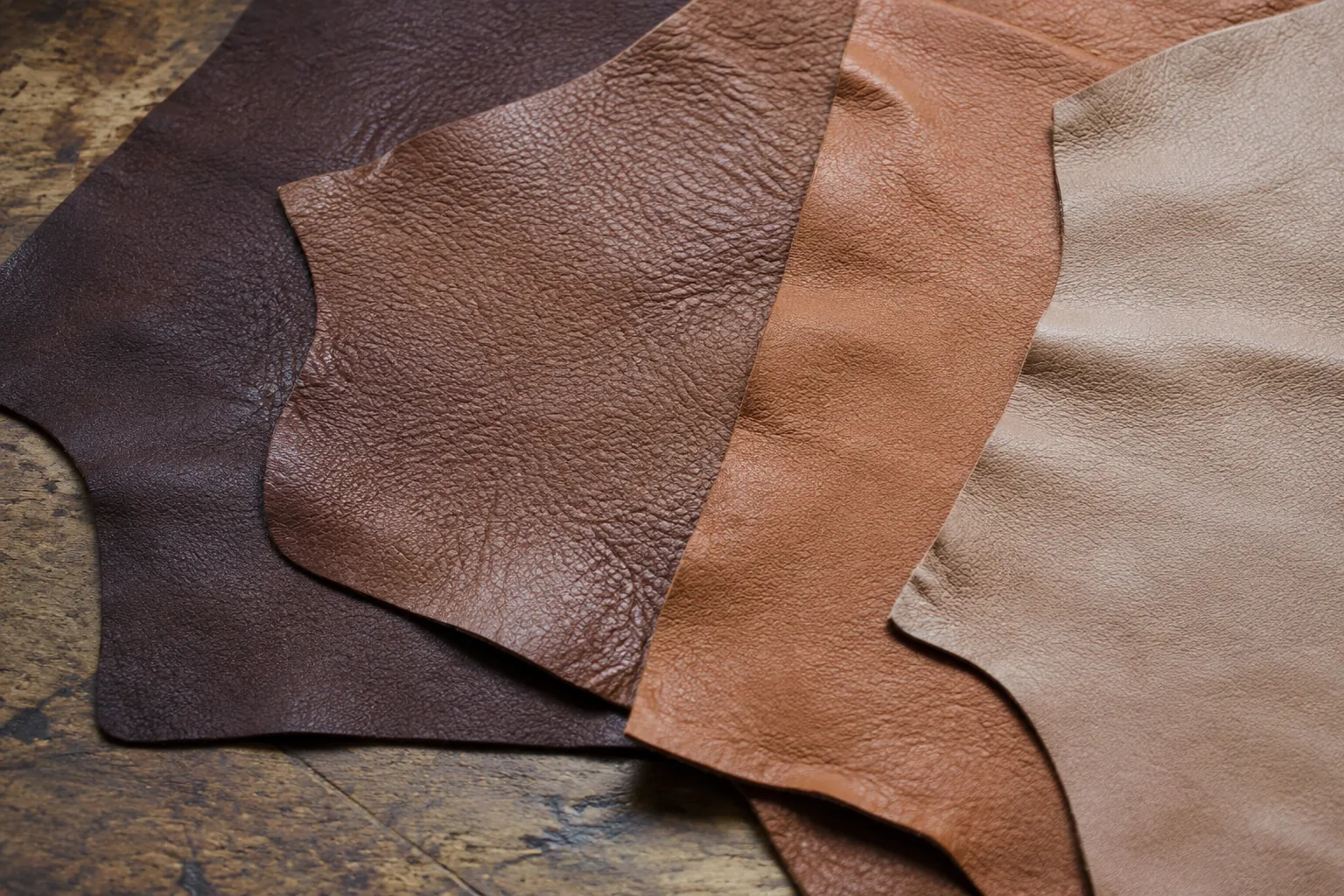
Write the leather specification around animal source, cut, tannage, thickness, surface correction, finish, temper, color, and performance, not one marketing term. Full grain suits products that value natural character, while more corrected surfaces can provide greater visual consistency and cutting yield.
Buyer terminology and search intent
Buyers often reach the same sourcing problem through different phrases. Use each term to build a controlled product brief rather than a broad supplier promise.
- full grain leather shoesThis guide uses the phrase as a practical buying topic and connects it to the specification, risk, and approval decisions behind full grain vs genuine leather shoes: a sourcing comparison.
- genuine leather shoesThis product phrase should be qualified by target customer, material, construction, fit, size range, outsole, and intended occasion.
- types of leather for shoesThis research phrase signals a comparison or classification need. The useful answer is a decision framework rather than a one-line winner.
- full-grain leather vs corrected-grain leather for dress shoesThis research phrase signals a comparison or classification need. The useful answer is a decision framework rather than a one-line winner.
Related buyer searches
These SEMrush variants express closely related product research. They are grouped on this page because the sourcing answer depends on the same fit, material, construction, quality, and order controls.
- full-grain leather penny loafers
- full grain leather loafers
- mens full grain leather shoes
- full grain leather shoes mens
- genuine leather shoes for men
Specification points to confirm
Use these five controls to make quotations and samples comparable. Name the reference, method, tolerance, owner, and approval status for every point that can change cost or quality.
| Control point | What the buyer should define | Why it matters |
|---|---|---|
| Grain surface | Confirm whether the natural grain is intact, lightly buffed, corrected, embossed, coated, split, or otherwise modified. | The surface treatment affects appearance, defect visibility, finish adhesion, consistency, and how the leather ages. |
| Cut and substance | Specify animal source, hide area or cut, thickness range, splitting method, and required temper. | Two leathers with the same label can behave differently during skiving, stitching, lasting, and wear. |
| Finish system | Describe aniline, semi-aniline, pigment, wax, oil, pull-up, polish, print, or protective coating as relevant. | Finish can dominate color consistency, cleanability, rub behavior, and the visual depth of the grain. |
| Natural variation | Approve an acceptable range for pores, scars, wrinkles, shade, and pair matching with physical samples or graded photos. | Full grain leather exposes more natural character, so acceptance must be designed rather than argued after cutting. |
| Product position | Match leather character and performance to retail price, consumer expectations, care message, and intended use. | A technically sound leather can still be wrong if its appearance or maintenance does not fit the collection. |
A four-stage buyer workflow
Turn the research into a decision that the factory can quote, sample, manufacture, inspect, and repeat.
Write the performance brief
Define appearance, hand, thickness, structure, use conditions, care expectations, price position, and relevant tests. Apply this control: Confirm whether the natural grain is intact, lightly buffed, corrected, embossed, coated, split, or otherwise modified. The surface treatment affects appearance, defect visibility, finish adhesion, consistency, and how the leather ages.
Compare representative options
Review supplier references and physical samples that show the expected production range, not only a perfect small swatch. Apply this control: Specify animal source, hide area or cut, thickness range, splitting method, and required temper. Two leathers with the same label can behave differently during skiving, stitching, lasting, and wear.
Test inside the shoe
Evaluate cutting, stitching, lasting, bonding, flex, fit, finishing, and contact with adjacent materials in the intended construction. Apply this control: Describe aniline, semi-aniline, pigment, wax, oil, pull-up, polish, print, or protective coating as relevant. Finish can dominate color consistency, cleanability, rub behavior, and the visual depth of the grain.
Approve and trace the article
Record supplier, article, color, physical standard, acceptable variation, replacement rule, and checks for incoming material. Apply this control: Approve an acceptable range for pores, scars, wrinkles, shade, and pair matching with physical samples or graded photos. Full grain leather exposes more natural character, so acceptance must be designed rather than argued after cutting.
Sourcing risks and practical controls
Raise the assumptions most likely to change fit, appearance, cost, quality, or delivery before final sample approval.
A quote says only genuine leather
Control: Request the complete material description and a production-representative swatch before comparing cost.
A perfect small swatch hides bulk variation
Control: Review a larger skin or several representative panels and define pair-matching rules.
Finish thickness changes between sample and bulk
Control: Control supplier article, color, finish reference, physical hand, and relevant rub or flex checks.
RFQ checklist
Attach images, drawings, a reference pair, or a tech pack, then state the order, market, and approval assumptions the factory must confirm.
- Grain surface: Confirm whether the natural grain is intact, lightly buffed, corrected, embossed, coated, split, or otherwise modified.
- Cut and substance: Specify animal source, hide area or cut, thickness range, splitting method, and required temper.
- Finish system: Describe aniline, semi-aniline, pigment, wax, oil, pull-up, polish, print, or protective coating as relevant.
- Natural variation: Approve an acceptable range for pores, scars, wrinkles, shade, and pair matching with physical samples or graded photos.
- Product position: Match leather character and performance to retail price, consumer expectations, care message, and intended use.
- Order architecture: Estimated pairs by style, color, material, and size, plus launch and reorder expectations.
- Market requirements: Destination, channel, labels, testing, packaging, trade term, and customer-specific standards.
- Approval path: Sample purpose, reviewers, comment format, physical references, inspection plan, and release authority.
Frequently asked questions
These answers frame the most common buying decisions for this topic.
Is full grain leather always the best choice for shoes?
No material is best for every brief. Full grain can offer natural depth and character, while a corrected leather may provide the clean uniformity, coating protection, or price position required by another product.
Does genuine leather mean low quality?
The term is too broad to decide quality. Evaluate the leather structure, finish, physical performance, cutting yield, construction behavior, appearance, and suitability for the intended shoe.
How can buyers compare leather quotations?
Normalize the supplier article, source, thickness, finish, color, usable area, testing scope, defect allowance, cutting yield, and order quantity before comparing the shoe price.