
Direct answer
Compare a costed specification, not a single number. The biggest opportunities usually come from choosing an appropriate leather grade, sharing lasts and soles, simplifying labor-heavy details, concentrating colors, and designing packaging around the real channel need.
Buyer terminology and search intent
Buyers often reach the same sourcing problem through different phrases. Use each term to build a controlled product brief rather than a broad supplier promise.
- custom leather shoesThis guide uses the phrase as a practical buying topic and connects it to the specification, risk, and approval decisions behind custom leather shoes cost drivers.
- leather custom shoesThis phrase points to development or brand ownership. It should lead to a clear brief covering fit, materials, construction, artwork, quantity, and approvals.
- cost of leather shoesThis product phrase should be qualified by target customer, material, construction, fit, size range, outsole, and intended occasion.
- custom made leather shoesThis phrase points to development or brand ownership. It should lead to a clear brief covering fit, materials, construction, artwork, quantity, and approvals.
Related buyer searches
These SEMrush variants express closely related product research. They are grouped on this page because the sourcing answer depends on the same fit, material, construction, quality, and order controls.
- custom made loafers
Specification points to confirm
Use these five controls to make quotations and samples comparable. Name the reference, method, tolerance, owner, and approval status for every point that can change cost or quality.
| Control point | What the buyer should define | Why it matters |
|---|---|---|
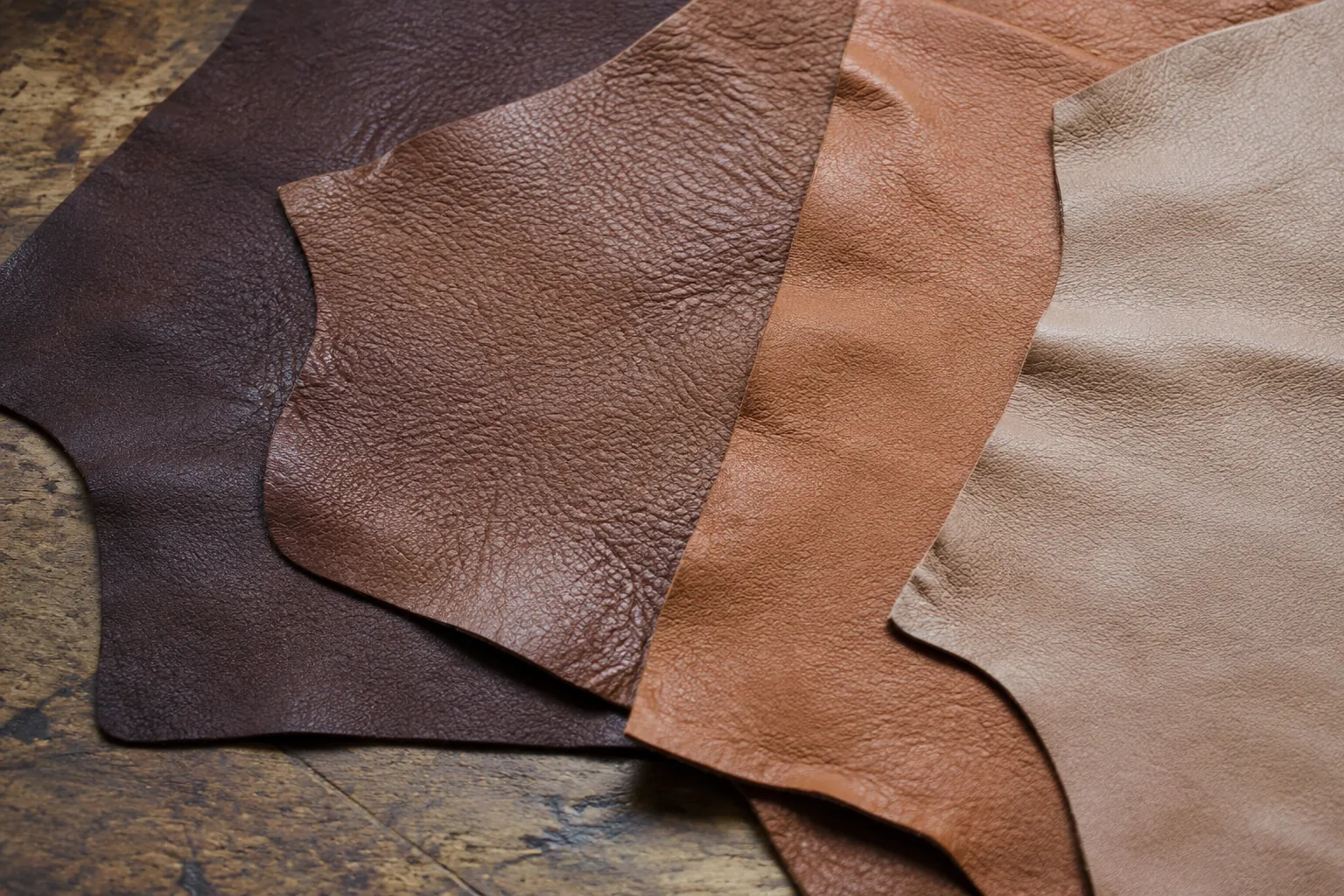
| Leather and yield | Define hide type, grade, usable area, thickness, finish, color tolerance, cutting standard, and defect allowance. | Two leathers with the same name can differ sharply in price and cutting yield. |
| Construction | Confirm cemented, stitched, Blake, welted, moccasin, or other build and every reinforcement layer. | Construction changes labor, machinery, components, flexibility, repairability, and cycle time. |
| Last and outsole | State whether existing or custom lasts and soles are used, including mold ownership and size range. | New tooling creates upfront cost and may carry minimums or maintenance requirements. |
| Order complexity | Measure styles, colors, sizes, unique components, changeovers, total pairs, and quantity per SKU. | A fragmented order can cost more to plan and produce even when the total pair count looks adequate. |
| Delivered scope | Include branding, box, tissue, labels, inspection, testing, export carton, documents, freight basis, and payment terms. | A lower ex-factory quote may not produce a lower landed cost. |
A four-stage buyer workflow
Turn the research into a decision that the factory can quote, sample, manufacture, inspect, and repeat.
Normalize the baseline
Compare options against the same consumer, specification, quantity, quality level, trade term, and approval scope. Apply this control: Define hide type, grade, usable area, thickness, finish, color tolerance, cutting standard, and defect allowance. Two leathers with the same name can differ sharply in price and cutting yield.
Separate real tradeoffs
List the effects on fit, appearance, performance, tooling, minimums, unit cost, landed cost, and reorder risk. Apply this control: Confirm cemented, stitched, Blake, welted, moccasin, or other build and every reinforcement layer. Construction changes labor, machinery, components, flexibility, repairability, and cycle time.
Validate with evidence
Use samples, sections, measurements, test results, factory records, and qualified professional advice where required. Apply this control: State whether existing or custom lasts and soles are used, including mold ownership and size range. New tooling creates upfront cost and may carry minimums or maintenance requirements.
Record the decision
Document why the selected option fits the range and which assumptions must be reconfirmed before bulk or reorder. Apply this control: Measure styles, colors, sizes, unique components, changeovers, total pairs, and quantity per SKU. A fragmented order can cost more to plan and produce even when the total pair count looks adequate.
Sourcing risks and practical controls
Raise the assumptions most likely to change fit, appearance, cost, quality, or delivery before final sample approval.
A cheaper leather reduces cutting yield
Control: Compare usable yield and defect policy, not only the price per square foot or meter.
A decorative detail adds several operations
Control: Ask the factory to identify labor-heavy stitching, perforation, edge paint, hand finishing, hardware, and reinforcement steps.
Price is negotiated before volume is structured
Control: Provide quantity by style, color, and size so purchasing and changeover cost can be modeled accurately.
RFQ checklist
Attach images, drawings, a reference pair, or a tech pack, then state the order, market, and approval assumptions the factory must confirm.
- Leather and yield: Define hide type, grade, usable area, thickness, finish, color tolerance, cutting standard, and defect allowance.
- Construction: Confirm cemented, stitched, Blake, welted, moccasin, or other build and every reinforcement layer.
- Last and outsole: State whether existing or custom lasts and soles are used, including mold ownership and size range.
- Order complexity: Measure styles, colors, sizes, unique components, changeovers, total pairs, and quantity per SKU.
- Delivered scope: Include branding, box, tissue, labels, inspection, testing, export carton, documents, freight basis, and payment terms.
- Order architecture: Estimated pairs by style, color, material, and size, plus launch and reorder expectations.
- Market requirements: Destination, channel, labels, testing, packaging, trade term, and customer-specific standards.
- Approval path: Sample purpose, reviewers, comment format, physical references, inspection plan, and release authority.
Frequently asked questions
These answers frame the most common buying decisions for this topic.
What makes custom leather shoes expensive?
Premium or low-yield leather, custom lasts and outsole molds, complex construction, hand finishing, small fragmented orders, special hardware, extensive packaging, testing, and repeated sample revisions are common drivers.
How can I reduce cost without making the shoe look cheap?
Protect the visible brand cues and fit, then simplify hidden complexity. Share platforms, reduce colors, use efficient pattern pieces, choose appropriate lining and outsole materials, and remove details that add labor without customer value.
Why do two factories quote different prices for the same image?
They may be assuming different leather grades, lining, outsole compounds, construction, reinforcement, logo methods, packaging, defect allowances, payment terms, or trade terms. Ask both to quote one controlled specification.