
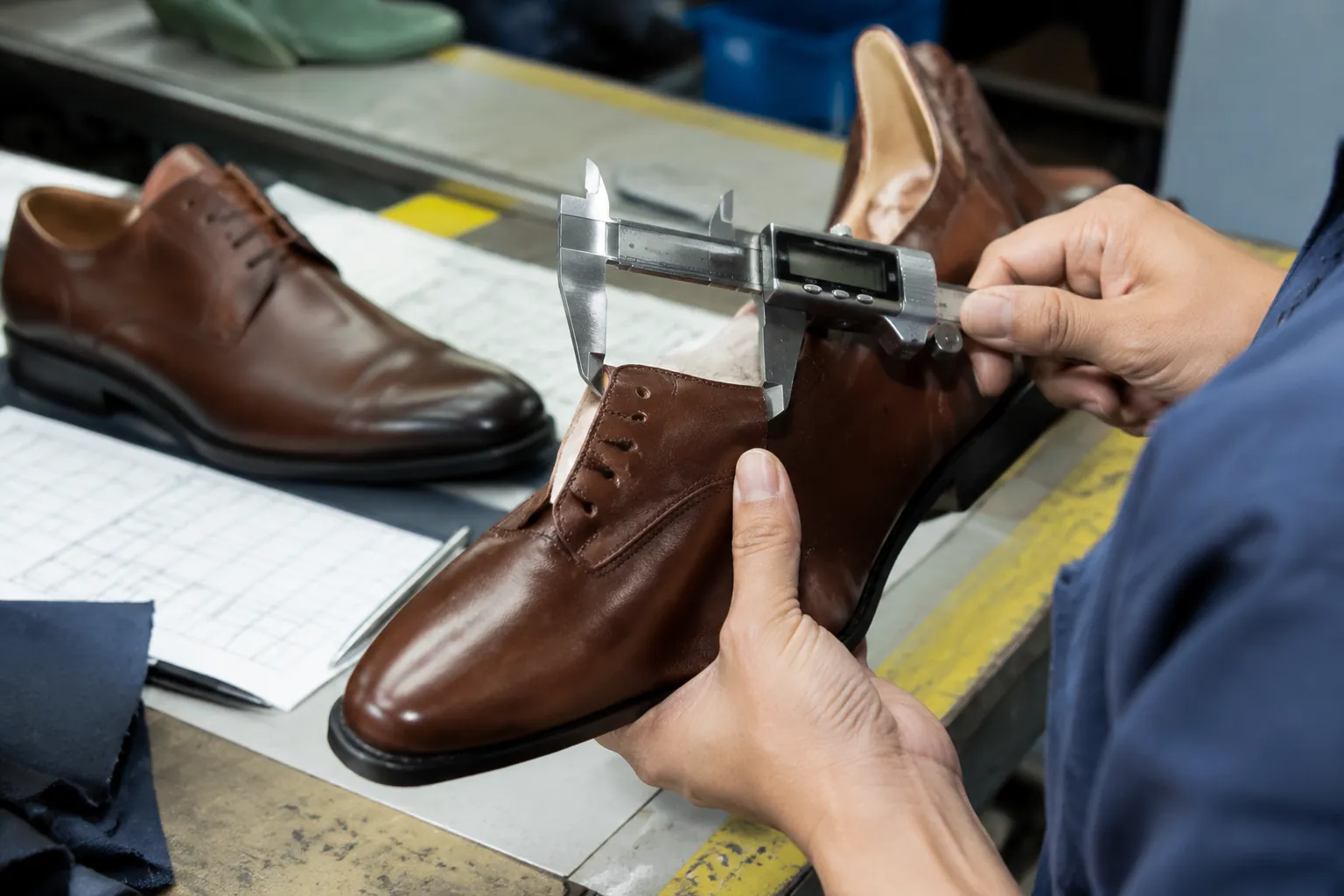
Direct answer
Define the shipment lot, inspection level, sampling plan, critical, major, and minor defect limits, product checks, packaging checks, and approved references before booking inspection. Also define what happens after a failed result, including sorting, rework, reinspection, or shipment hold.
Buyer terminology and search intent
Buyers often reach the same sourcing problem through different phrases. Use each term to build a controlled product brief rather than a broad supplier promise.
- AQL inspection for shoesThis guide uses the phrase as a practical buying topic and connects it to the specification, risk, and approval decisions behind aql inspection for leather shoes: what buyers should define.
- shoe factoryThis supplier-search phrase usually signals commercial intent. Buyers should still verify the actual factory, category capability, and order model.
- shoe manufacturerThis supplier-search phrase usually signals commercial intent. Buyers should still verify the actual factory, category capability, and order model.
- footwear manufacturersThis supplier-search phrase usually signals commercial intent. Buyers should still verify the actual factory, category capability, and order model.
Specification points to confirm
Use these five controls to make quotations and samples comparable. Name the reference, method, tolerance, owner, and approval status for every point that can change cost or quality.
| Control point | What the buyer should define | Why it matters |
|---|---|---|
| Lot definition | State which order, style, color, size, factory, production period, and packing status make up the inspection lot. | Sampling is meaningful only when the inspected units represent the goods that may ship. |
| Sampling plan | Agree the standard, general or special inspection level, sample size code, and any market or customer-specific rule. | Changing the sampling plan after defects are found undermines consistent decisions. |
| Defect classification | Define critical, major, and minor defects with shoe-specific examples and photo references. | The same visible issue may be classified differently depending on safety, function, saleability, and location. |
| Inspection scope | List workmanship, measurements, fit, function, labels, accessories, quantity, assortment, box, and carton checks. | AQL defect counting does not automatically include every test or packing verification the buyer needs. |
| Failure disposition | Agree authority, containment, sorting, repair limits, replacement, reinspection, evidence, and release process. | A failed inspection needs a controlled decision path rather than informal shipment pressure. |
A four-stage buyer workflow
Turn the research into a decision that the factory can quote, sample, manufacture, inspect, and repeat.
Define the standard
Link the approved sample, specification, defect catalogue, measurements, tests, packing, and decision authority. Apply this control: State which order, style, color, size, factory, production period, and packing status make up the inspection lot. Sampling is meaningful only when the inspected units represent the goods that may ship.
Control incoming and first pieces
Verify materials and the first production output before avoidable variation moves through the line. Apply this control: Agree the standard, general or special inspection level, sample size code, and any market or customer-specific rule. Changing the sampling plan after defects are found undermines consistent decisions.
Inspect where correction is possible
Place inline checks at the operations that create shape, stitching, bond, finish, labeling, and assortment risk. Apply this control: Define critical, major, and minor defects with shoe-specific examples and photo references. The same visible issue may be classified differently depending on safety, function, saleability, and location.
Release with evidence
Complete final sampling, required tests, quantity and packing checks, corrective action, and written shipment approval. Apply this control: List workmanship, measurements, fit, function, labels, accessories, quantity, assortment, box, and carton checks. AQL defect counting does not automatically include every test or packing verification the buyer needs.
Sourcing risks and practical controls
Raise the assumptions most likely to change fit, appearance, cost, quality, or delivery before final sample approval.
AQL is treated as the product standard
Control: Use the approved sample, specification, defect catalogue, and test requirements alongside the sampling plan.
The lot is not fully packed when inspection starts
Control: Set a minimum completion and packing condition so random samples represent finished goods.
Reworked goods are shipped without reinspection
Control: Define the reinspection scope and evidence required after sorting or corrective work.
RFQ checklist
Attach images, drawings, a reference pair, or a tech pack, then state the order, market, and approval assumptions the factory must confirm.
- Lot definition: State which order, style, color, size, factory, production period, and packing status make up the inspection lot.
- Sampling plan: Agree the standard, general or special inspection level, sample size code, and any market or customer-specific rule.
- Defect classification: Define critical, major, and minor defects with shoe-specific examples and photo references.
- Inspection scope: List workmanship, measurements, fit, function, labels, accessories, quantity, assortment, box, and carton checks.
- Failure disposition: Agree authority, containment, sorting, repair limits, replacement, reinspection, evidence, and release process.
- Order architecture: Estimated pairs by style, color, material, and size, plus launch and reorder expectations.
- Market requirements: Destination, channel, labels, testing, packaging, trade term, and customer-specific standards.
- Approval path: Sample purpose, reviewers, comment format, physical references, inspection plan, and release authority.
Frequently asked questions
These answers frame the most common buying decisions for this topic.
What do critical, major, and minor defects mean?
Critical defects can create unacceptable safety or legal risk. Major defects can affect function or saleability. Minor defects depart from the standard without materially affecting normal use. Exact examples should be agreed for the product.
Does passing AQL mean every pair is good?
No. Sampling estimates lot quality within the chosen plan. Buyers still need effective production controls, appropriate testing, clear defect standards, and a decision about residual risk.
Can AQL be used for measurements and tests?
Yes, but special checks may use different sample sizes or methods. Define which pairs are measured or tested, whether the test is destructive, and how results affect lot disposition.