
Sourcing & Quality
Before Entry: Wholesale Leather Boots Material Control Checklist
Use a buyer-owned material record to show what is defined, what remains pending, and what needs project-specific assessment before production entry.
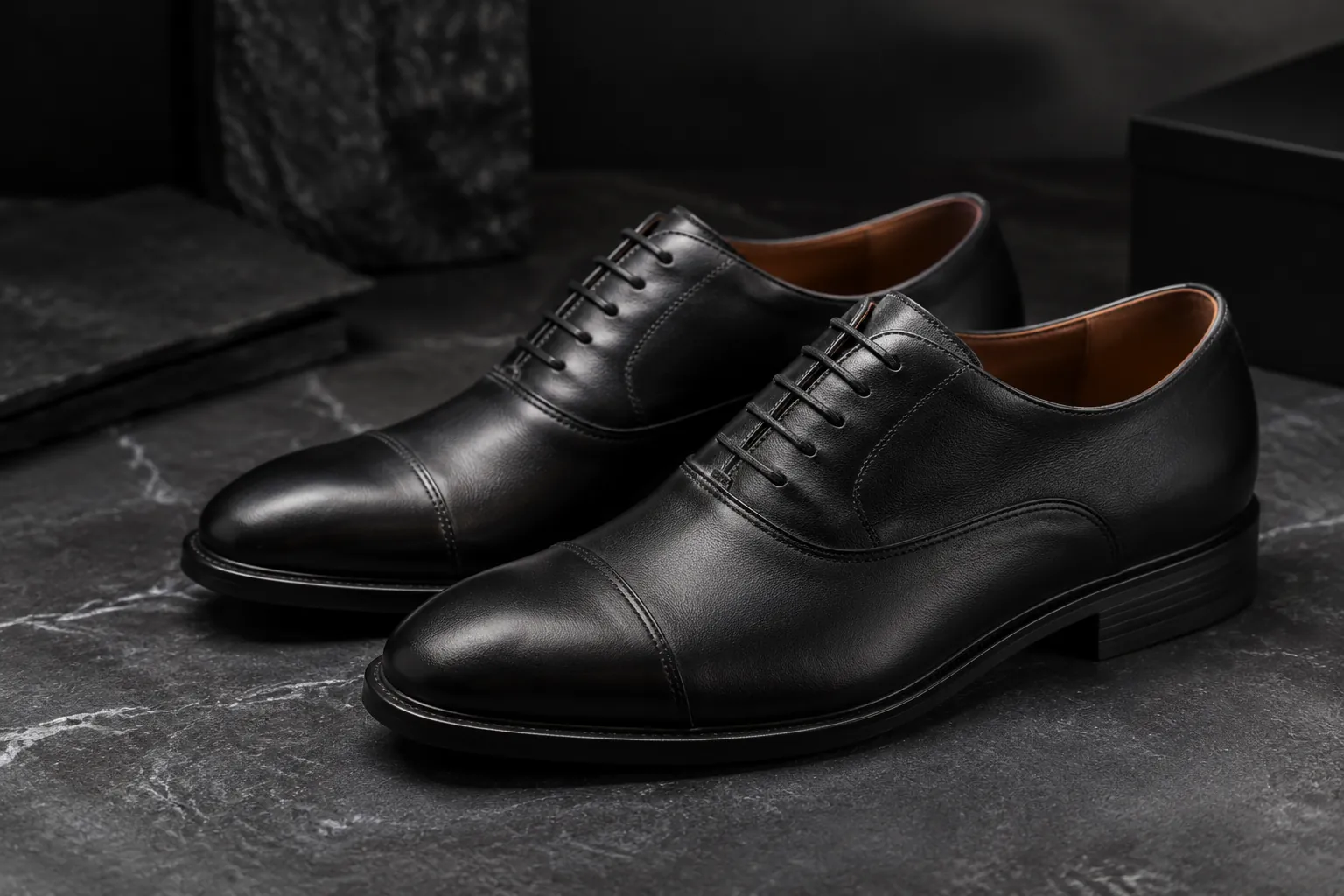
A product direction can be clear while its material definition remains distributed across swatches, component notes, artwork files, and packaging references. A wholesale leather boots material control checklist is an editorial buyer tool for bringing those details into one current view before production entry. It helps a team show what it means by each item without presenting every open point as settled.
The factual boundary for this guide comes from the incoming-review statement on the factory-quality page. It names leather article, color, thickness, lining, outsoles, hardware, packaging, artwork, and lot identity for review before mixed or unclear materials enter production. The record structure below is an editorial recommendation for the buyer. The published categories supply the scope; they do not prescribe a buyer form, a required sequence, or a stated disposition for any material.
The decision before production entry
Material control begins with a simple distinction: a material may be named without being described well enough for another person to recognize the intended item. A color name alone may not identify the leather article. A packaging reference may exist without showing whether its artwork is selected or still under discussion. Separate notes can be useful during development, but they make it harder to see whether the product definition is complete at the moment it is shared.
For this article, a preproduction footwear material review means a buyer's own check that the current descriptions and references can be read together. The objective is visibility, not a declaration that the product is ready, approved, priced, or assigned to a particular path. A compact record gives product, sourcing, and brand teams one place to distinguish known choices from unresolved decisions.
That distinction is particularly useful where a material choice affects several people. Leather, lining, outsoles, hardware, packaging, and artwork can each carry a different reference, owner, or question. Showing the current state of each item reduces the risk that a broad product discussion is mistaken for a complete component definition.
Defined, pending, and project questions
Start by assigning a clear state to every entry. This is buyer planning guidance, intended to make an inquiry easier to read rather than to imitate a manufacturer workflow.
| State | Editorial use in the buyer record |
|---|---|
| Defined | Use this where the team has selected an item and can attach a usable name, code, swatch, image, file, or component reference. |
| Pending | Use this where the item matters to the product but has not yet been selected. A visible pending label is clearer than treating a temporary note as a final choice. |
| Project question | Use this for an issue the buyer wants considered against the current product and commercial context. Phrase the issue as a question instead of assuming the applicable route or terms. |
This three-state view keeps a record honest. A defined leather article does not automatically define its visual acceptance range. A pending artwork file does not erase the rest of the product definition. A project question about sampling, packing, or quotation remains a question until it is assessed in context.
In this narrow sense, boot sourcing material control is about keeping the status of component information visible. It is not necessary to create a lengthy technical dossier before raising an inquiry. The useful standard is whether a reader can tell what has been selected, what still needs a decision, and what needs project-specific discussion.
Nine component fields in one view
The nine fields below follow the categories named in the documented incoming review. A buyer may adapt the wording to the project, but retaining the categories as separate entries prevents a general material note from concealing a missing component detail.
- Leather article
Record the article name, supplier reference, swatch, image, or other identifier available to the buyer. A broad description such as a color alone may leave the underlying article unclear.
- Color
State the current color reference separately from the leather article. This captures identity information without trying to answer the separate question of acceptable visual variation.
- Thickness
Note the intended thickness description or reference when the team has one. Keep it visible as its own field rather than assuming it is fully conveyed by the article name.
- Lining
Identify the lining material and the product area it is intended to serve. Mark it pending when the current selection has not been made.
- Outsoles
List the outsole material or component reference and connect it to the relevant product definition. Avoid attaching a performance or construction conclusion that is not part of the current reference.
- Hardware
List relevant hardware items separately. Where available, include the visual or finish reference so that unlike pieces are not collapsed into one general hardware note.
- Packaging
Record the current packaging description and the references associated with it. Keep packaging information distinct from artwork even when both will be discussed together.
- Artwork
Link each artwork file to the location or component it affects. Indicate whether the file is the selected version, a working reference, or still pending.
- Lot identity
Preserve the lot reference when one is available. When it is unavailable, leave the field open instead of implying that a lot has already been identified.
The value of this arrangement is that it keeps related details legible without merging them. A team can update one field while preserving the rest of the current definition. It can also identify a missing reference before the material description travels into a wider product conversation.
Where material identity stops
The material record identifies what the buyer is currently describing. It does not settle appearance expectations. The materials page frames appearance range as a separate set of questions: what variation is natural, what becomes a defect, how colors are approved, and how hides or component lots are paired across the order.
| The material-control record can show | A separate appearance note can ask |
|---|---|
| The leather article, color, thickness, and lot reference currently associated with the product. | What variation the buyer considers natural and what it would regard as a defect. |
| The current color reference. | How color is to be approved for the project. |
| A known lot identity. | How hides or component lots are to be paired across the order. |
Keeping these records separate is a practical editorial recommendation. The first answers, as far as the buyer currently knows, which material or component is intended. The second makes visual judgment questions explicit. Combining them into one vague note can make it unclear whether a team has named a material, stated an acceptance expectation, or merely raised a question for later discussion.
The project frame around the record
The contact page says the style, market, quantity, size range, materials, branding, packaging, and delivery need are reviewed together rather than priced as isolated line items. That published framing is a reason for a buyer to send the material record with enough product and commercial context to explain why the entries matter.
| Context named on the contact page | Editorial recommendation for the buyer submission |
|---|---|
| Style and market | State the current product direction and intended market so the component record is read in context. |
| Quantity and size range | Include the current commercial information without treating it as confirmation of a particular production arrangement. |
| Materials | Attach or summarize the defined, pending, and questioned entries from the material record. |
| Branding and packaging | Point to the current branding references, packaging details, and artwork status. |
| Delivery need | State the current timing requirement as project context for discussion. |
This approach makes an inquiry more candid. It also avoids treating a partial component list as a complete request for a commercial outcome. Development, sampling, and quotation are appropriate topics to raise, but the quoted contact-page excerpt does not select an option or result in advance.
Send a current definition
A useful submission does not need to perform certainty it does not have. Share the current leather footwear definition, attach the references that support it, identify pending entries, and state the questions that need assessment. The resulting message gives the recipient a connected view of material detail and the wider project frame.
For a current project, use the contact form to provide the available material and component information. Ask which development, sampling, or quotation options may apply to the project, and keep any unanswered item visible as a project question rather than treating it as a confirmed commitment.
Sources and verification
- Leather Shoe Factory in China | Capability & Export QC First-party site source
- Leather Shoe Materials | Full Grain, Suede, Lining & Outsoles First-party site source
- Request a Quote | Leather Shoe Manufacturer First-party site source
Share the current leather footwear definition and ask which development, sampling or quotation options may apply to the project.
Send your project brief