
Wholesale Boots Sourcing
Wholesale Leather Boots Lot Identity After Sample Lock
A locked sample does not lock hide or component lots. Build a buyer-owned incoming identity gate for wholesale leather boots, pair it with appearance and pairing questions, and keep materials inside the commercial frame used for quote review.
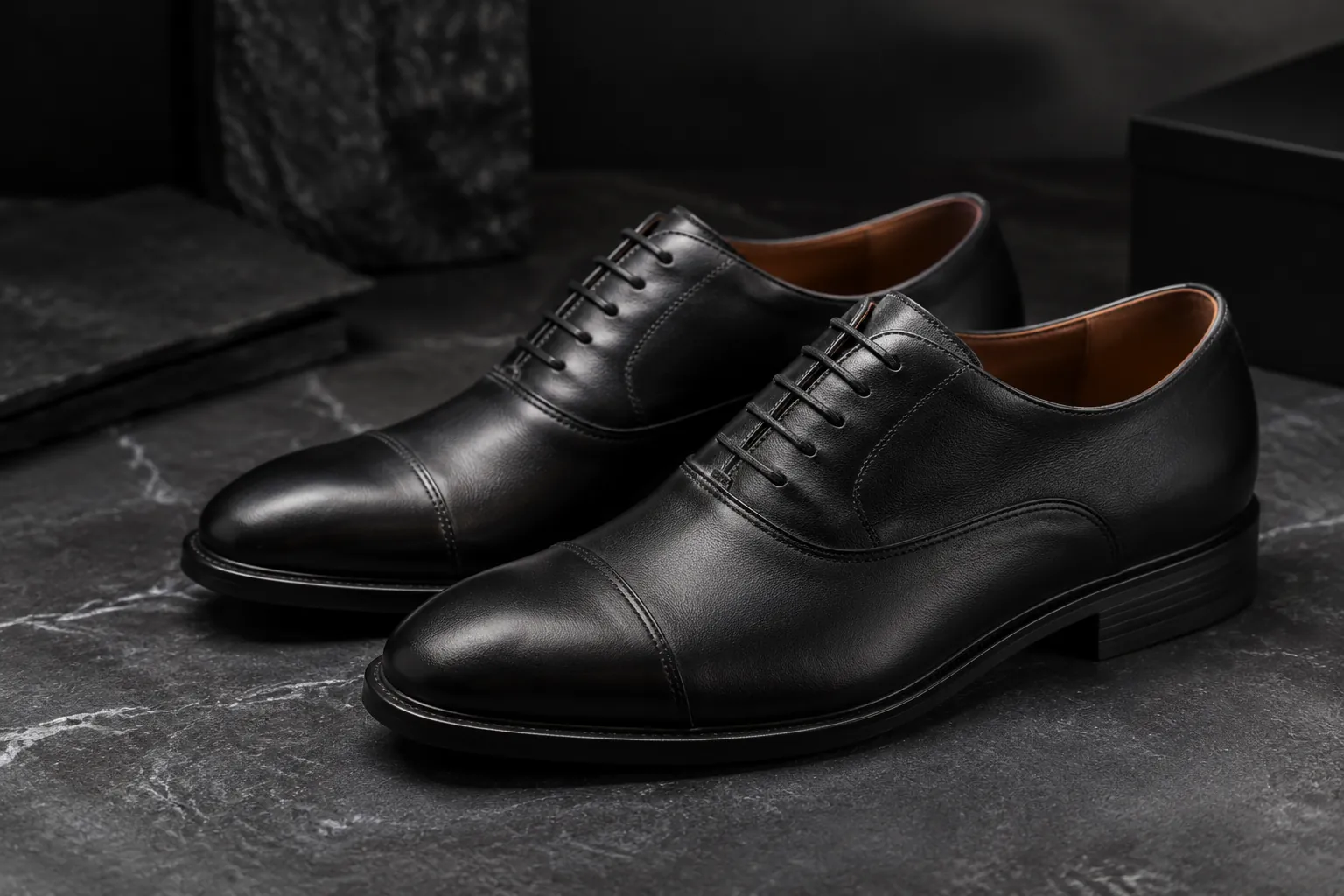
The sample can look right and the commercial target can be clear, yet wholesale leather boots lot identity still fails at the door. Another leather article arrives under a familiar name. Lining shade is close but not the same. Outsoles and hardware no longer read as one system. The buyer cannot separate natural hide behavior from uncontrolled mixing because lot identity never became a production entry condition.
After sample sign-off, the practical risk is mixed or unclear materials still entering the line. Map the incoming fields a China-based leather shoe manufacturer documents for controlled-materials review, pair them with materials-page questions on variation and lot pairing, and keep product decisions inside the commercial frame used when a quote is reviewed. This is not a full QC manual, not an appearance-acceptance brief, and not an RFQ dump.
Sample locked, lots still open
A sample freezes a look and a construction snapshot. It does not automatically freeze which hide lots, component lots, or packaging artwork may enter the line. For leather boots wholesale material lot control, that gap is practical: large upper panels, linings, outsoles, and hardware can drift on separate clocks while the style code on paper still matches.
On the factory quality page, incoming review is scoped as confirming controlled materials (leather article, color, thickness, lining, outsoles, hardware, packaging, artwork, and lot identity) before mixed or unclear materials enter production. That is an entry boundary. It is not a claim of zero variation and not a substitute for your brand’s acceptance standards. Treat it as the ceiling of what you can require at the door. Construction tolerances, waterproof performance, and lab methods are outside this excerpt.
As an editorial recommendation for the buyer: sign off sample and lot approval as two separate acts. If only the sample is locked, wholesale leather boots incoming materials can still scramble the look you paid to approve.
Which identity fields belong on the register
Convert the documented incoming list into a short identity register attached to the production brief. Name each field as published. Do not invent factory capabilities around them.
- Leather article. Commercial article name or code you intend to run, not a generic “genuine leather” label.
- Color. Approved color reference for that article, plus how a replacement lot should be called.
- Thickness. Thickness band agreed for the upper (and any components you have stated), so substitutions stay visible.
- Lining. Lining material and color identity, not only “matching lining.”
- Outsoles. Outsole type and supplier or lot identity when more than one option exists in the program.
- Hardware. Eyelets, hooks, zippers, or other metal or plastic parts by finish and lot where relevant.
- Packaging. Box, tissue, dust bag, and inserts as specified for the market.
- Artwork. Logos, care labels, hangtags, and print files linked to the approved revision.
- Lot identity. Explicit lot codes or equivalent identifiers for leather and critical components before cutting starts.
Require a written release rule that materials do not enter production while any of those fields remain mixed or unclear, language that mirrors the factory page boundary. What “clear” means for your brand (retained cuttings, photos, who signs) is buyer-side definition, not an extra factory promise drawn from the excerpt.
Appearance range beside the lot codes
Lot codes alone do not decide character versus defect. The materials page frames an appearance-range set of questions: what variation is natural, what becomes a defect, how colors are approved, and how hides or component lots are paired across the order. Those questions sit next to lot identity. They do not replace it.
| Decision area | Close this before bulk | Why it pairs with lot identity |
|---|---|---|
| Natural variation | Which marks, grain openness, or shade movement stay inside character for this leather article? | Without a written range, a new lot can be rejected as “wrong” when it is still within hide behavior. |
| Defect boundary | Which scars, wrinkles, dye issues, or component flaws are rejectable even if the lot code matches? | Lot match is not automatic accept. |
| Color approval | Which physical or digital color standard is binding, and who re-approves a replacement lot? | Color on the register must point to a real approval method. |
| Leather boot hide lot pairing | How will left/right pairs, size runs, and related components stay on compatible lots across the order? | Boots read as a set; unpaired lots show as side-to-side or size-to-size drift. |
Keep answers short and attachable: one photo board, one defect list, one pairing rule. If a topic is open, mark it open rather than assuming factory defaults. Shaft height, last codes, welt type, and waterproof performance are not defined in the provided excerpts; treat them as buyer-supplied unknowns.
Materials inside the commercial frame, not beside it
Isolated material line items create false security. A quote can pass lot checks and still fail the program if leather, lining, branding, and packaging were never held together commercially.
On the request-a-quote page, review is described as reading the product and commercial frame together: style, market, quantity, size range, materials, branding, packaging, and delivery need are reviewed as one set rather than priced as isolated line items. That is a review method, not a fixed fee schedule, calendar, or order size from the excerpt.
- Style and market. Boot style family and selling market so packaging, labeling, and finish expectations stay aligned with retail destination.
- Quantity and size range. Planning quantity and size run you want assessed, even if numbers stay provisional, so consumption and lot pairing can be discussed honestly.
- Materials and branding. Attach the identity register and logo/artwork revision so materials and brand marks are not re-interpreted late.
- Packaging and delivery need. How goods must arrive and any delivery need that affects packing or ship-ready presentation, without inventing lead times the evidence does not state.
When those fields travel with the lot register, a change in leather thickness or hardware finish is visible as a commercial change, not only a workshop note.
Factory documentation versus open project questions
Procurement language fails when documentation and inquiry topics collapse into one vague ask. Keep them on separate lines.
| Documented in first-party scope | Stays project-specific until you ask |
|---|---|
| Incoming confirmation of leather article, color, thickness, lining, outsoles, hardware, packaging, artwork, and lot identity before mixed or unclear materials enter production | Which development, sampling, or quotation path applies to this boot program |
| Joint review of style, market, quantity, size range, materials, branding, packaging, and delivery need | Whether a new sample, a material-only trial, or a quote revision is the right next step |
| Materials questions on natural variation, defects, color approval, and hide/component lot pairing | Your brand’s written defect list, color standard, and pairing rules for this season |
Ask only which development, sampling, or quotation options may apply after the current footwear definition is reviewed. That invitation is not a fixed service menu, price, or lead time. US import paperwork, customs classification, and third-party lab protocols are also outside these excerpts; bring them as buyer requirements if they matter to the deal.
Assessment package that keeps the ask single
Send one package instead of a chain of chat fragments. A compact structure that fits the evidence:
- Locked identity fields. Completed register for leather article, color, thickness, lining, outsoles, hardware, packaging, artwork, and lot identity, plus the rule that mixed or unclear materials do not enter production.
- Appearance and pairing still open. Natural variation notes, defect list status, color-approval method, and hide/component pairing rules, each marked closed or open.
- Commercial frame. Style, market, quantity, size range, materials, branding, packaging, and delivery need in one place so nothing is priced as an orphan line item.
- Single ask. Which development, sampling, or quotation options may apply to this wholesale leather boots program.
Hypothetical only: two candidate full-grain lots can pass thickness and article name yet fail a pairing rule for side-by-side shafts in a size run. That is not a customer case; it shows why lot identity and pairing questions must travel together before cutting.
Share the current leather footwear definition through contact, and ask which development, sampling, or quotation options may apply. Use factory quality for the incoming field language and materials for variation, color approval, and lot pairing. Keep every factory claim inside those scopes. Everything else remains a decision you still own.
Sources and verification
- Leather Shoe Factory in China | Capability & Export QC First-party site source
- Leather Shoe Materials | Full Grain, Suede, Lining & Outsoles First-party site source
- Request a Quote | Leather Shoe Manufacturer First-party site source
Share the current leather footwear definition and ask which development, sampling or quotation options may apply to the project.
Send your project brief