
Sourcing Guides
Wholesale Leather Boots Appearance Range Rules
Treat the wholesale leather boots appearance range as a buyer-owned acceptance gate. Close natural variation, defect boundaries, color approval, and lot pairing in writing, then bind those answers to incoming control and the commercial frame.
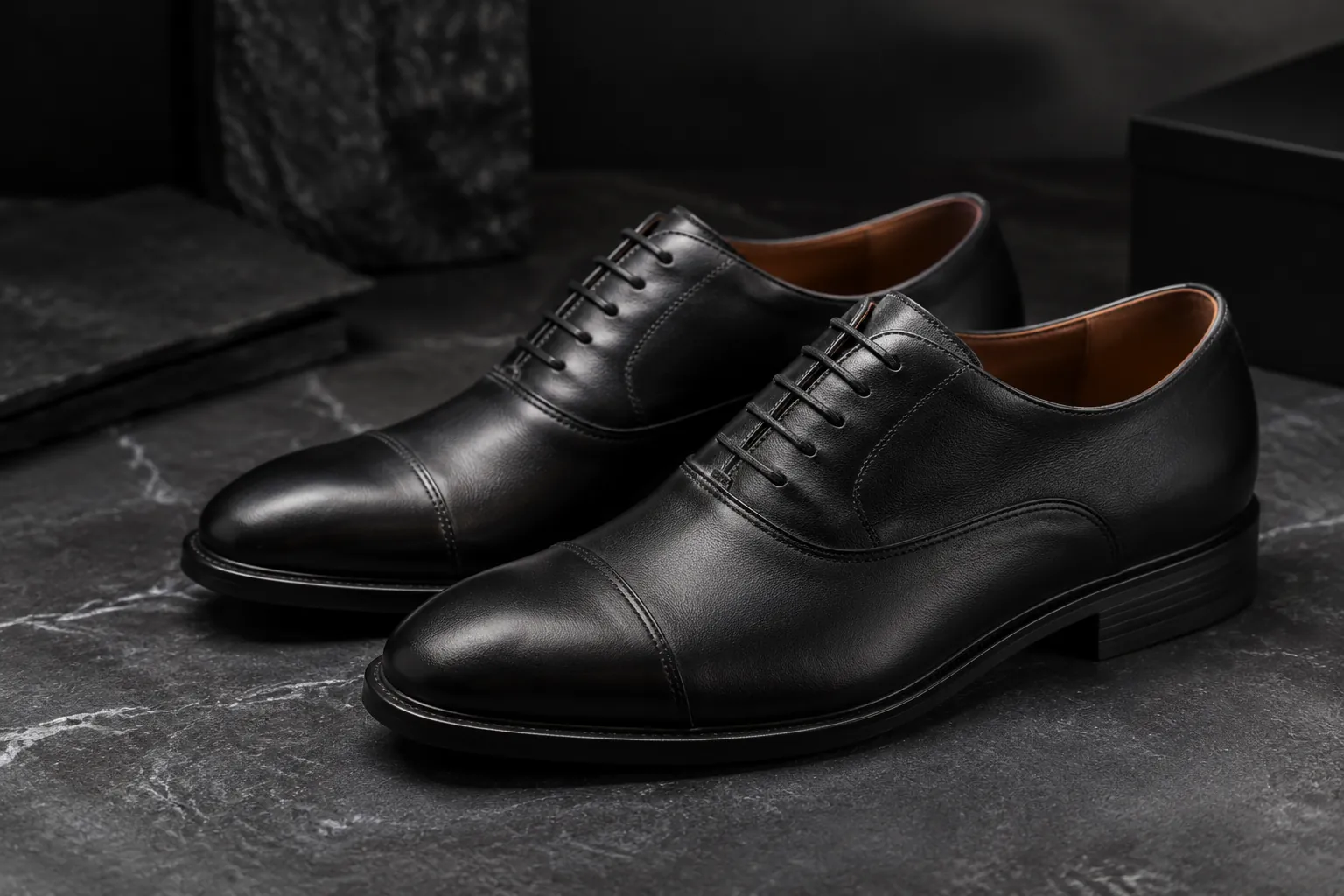
Buyers who source wholesale leather boots often leave appearance open until materials are already on the floor. The wholesale leather boots appearance range is the written rule set that stops that drift: what variation is natural, what becomes a defect, how colors are approved, and how hides or component lots are paired across the order. Those answers belong to the brand. They are not a late lot register and not a full RFQ rebuild. They are an acceptance gate that must close before leather and related components are released into production.
Buyer-owned questions that define appearance range
Materials guidance on this site frames appearance range as questions the buyer must answer. Close them in writing against the style code before any material release:
- Natural variation. State what the brand will treat as natural leather behavior rather than as a fault.
- Defect boundary. State what the brand will score as reject when variation crosses the line.
- Color approval. Decide how leather boots wholesale color approval will work for this program, who signs, and which reference supersedes others if references disagree.
- Hide and component lot pairing. State how wholesale leather boots hide pairing and related component lots will stay aligned across the order.
Editorial recommendation for the buyer: keep each answer short, product-specific, and free of numeric tolerances the brand has not actually set. Only the brand knows retail presentation, photography lighting, and what the target market treats as character versus damage. A factory can follow a clear rule; it cannot invent brand taste after cutting starts. Treat silence as open risk, not as implied flexibility.
How vague language becomes a production QC problem
Phrases such as "full grain," "dark brown," or "match the sample" leave the four questions above unanswered. When answers stay oral or only in a designer's head, mixed or unclear materials can enter production under one style code. Downstream inspection then argues about intent instead of applying a written release rule.
That argument is expensive for leather boots wholesale programs. Rework, re-sort, or rejection after cutting and lasting have already consumed hide is a predictable outcome of undefined appearance language. The repair is not more adjectives. It is a short written range that production and QC can both apply before materials mix.
Enforce the range at incoming material control
Appearance rules protect the program only when they sit on the same desk as material intake. Factory quality process on this site describes an incoming step that reviews leather article, color, thickness, lining, outsoles, hardware, packaging, artwork, and lot identity before mixed or unclear materials enter production. That intake is the practical place to enforce the range the buyer wrote.
Map the buyer answers onto those fields without expanding the factory claim:
- Leather article and color. Confirm the article matches the approved reference and that color sits inside the written natural range.
- Thickness. Check thickness against the brief so hand feel and shade do not drift when a substitute lot differs from the approved stock.
- Lining, outsoles, and hardware. Apply the same pairing logic used for hides so contrast components stay aligned with the upper.
- Packaging and artwork. Verify labels, inserts, and carton marks match the style and market definition.
- Lot identity. Record which hide or component lots passed the gate so later inspection is not left to guesswork on leather boots wholesale material control.
Buyers who want the field list can review the factory quality process and align acceptance notes to those intake points. Editorial recommendation for the buyer: do not authorize production release until the appearance answers and the incoming checklist both clear the same material set.
Commercial fields that must travel with the range
Appearance acceptance does not float alone. Quote review on this site treats style, market, quantity, size range, materials, branding, packaging, and delivery need as one commercial frame read together rather than as isolated line items. Appearance range lives inside materials and branding expectations. If those fields stay incomplete, the factory cannot tell whether a shade band or pairing rule is commercial intent or optional preference.
| Frame field | Why it sits next to appearance range |
|---|---|
| Style | Identifies the product the natural-variation and defect rules apply to. |
| Market | Provides retail context that often shapes how strict color and finish acceptance should be. |
| Quantity and size range | Indicate how pairing rules may need to scale across the order. |
| Materials | Holds the written natural-versus-defect language, color references, and lot-pairing method. |
| Branding | Covers logos, hardware finishes, and contrast elements that can fail visual QC even when leather is acceptable. |
| Packaging | Keeps unboxing presentation aligned with the same color and finish story as the product. |
| Delivery need | Shapes how tightly lot continuity and re-approval windows must be planned, without inventing lead-time promises. |
Presenting these fields together is how the commercial frame is described on the quote request path. Buyers who detach appearance notes from quantity, market, or packaging force assessment against a partial definition. Keep the appearance range on the same document that carries the rest of the frame.
What the buyer already closed versus what the factory still assesses
A clean handoff labels two piles.
Closed by the buyer: natural variation limits, defect boundaries, color approval path, hide and component pairing, and the instruction that mixed or unclear materials stop at incoming control.
Still open for factory assessment: how those rules will be executed on the last and material set under development, sampling, or quotation options, and how commercial terms respond to the full frame.
Do not blur the piles. Asking which development, sampling, packing, MOQ, or quotation information may apply is a normal buyer question. It is not, by itself, a documented factory promise of a fixed service menu beyond what the contact and quality pages state. The materials page supplies the appearance questions. The quality page supplies the incoming control fields. The contact page supplies the commercial-frame review. Keep those scopes separate in the brief so neither side invents obligations the other never stated.
For readers building the material side of the definition first, the leather materials overview is the place to ground article, lining, and outsole language before appearance rules are written. Construction claims that belong to other silhouettes should stay out of a boots brief unless the brand has actually specified them.
Package one definition and ask for applicable options
Close with a single package rather than a chain of partial emails. Share the current leather footwear definition for the boot program, including:
- Style identity and market context.
- Materials list with the written wholesale leather boots appearance range: natural variation, defect boundary, color approval, and hide or component lot pairing.
- Incoming-control expectation that leather article, color, thickness, lining, outsoles, hardware, packaging, artwork, and lot identity clear before production release.
- Branding, packaging, size range, quantity intent, and delivery need as they stand today, even if some commercial numbers remain estimates on the buyer's side.
Then ask which development, sampling, or quotation options may apply to that definition. That sequence keeps buyer decisions closed where they must be closed and leaves factory assessment where it belongs.
Hypothetical example: a private-label boot line that freezes a sealed brown full-grain swatch, names which visible-zone marks count as reject, and requires pair-level hide lot pairing gives intake and QC the same rule set; a line that only writes "premium leather, dark brown" does not.
Appearance range is a pre-production acceptance gate. Write it, bind it to incoming material control, carry it inside the commercial frame, and hand one coherent definition forward for option assessment. That is the practical path from vague leather language to a wholesale boot program that QC can enforce.
Sources and verification
- Leather Shoe Materials | Full Grain, Suede, Lining & Outsoles First-party site source
- Leather Shoe Factory in China | Capability & Export QC First-party site source
- Request a Quote | Leather Shoe Manufacturer First-party site source
Share the current leather footwear definition and ask which development, sampling or quotation options may apply to the project.
Send your project brief