
Product Development
Wholesale Leather Boot Component Specification Checklist
Use a buyer-side map to record component references as defined, provisional, or open for inquiry before discussing a potential boot project.
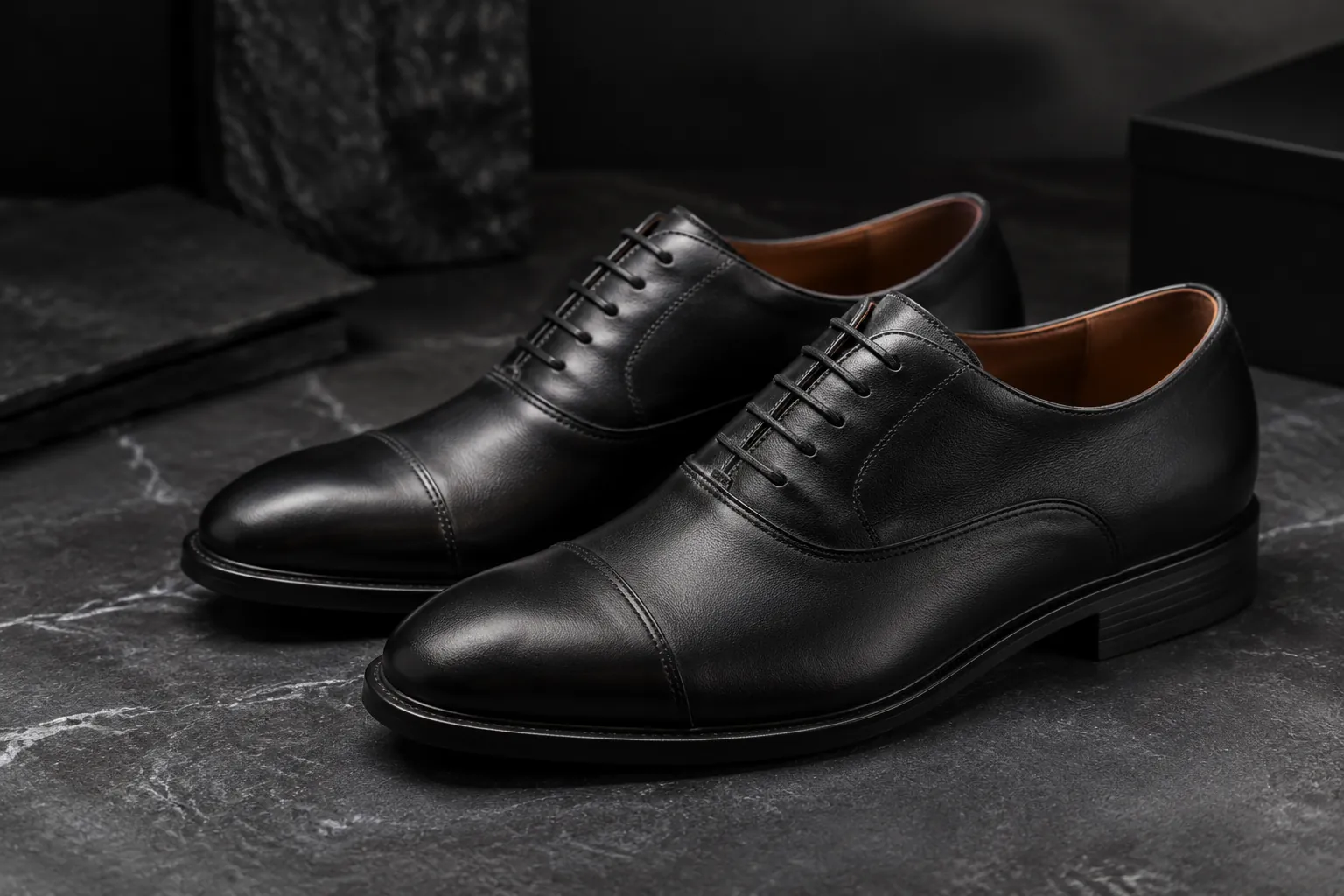
Before a sourcing conversation, turn the references already on hand into a field-by-field record. A wholesale leather boot component specification checklist can show which reference is current, which direction remains provisional, and which matter still needs a question. The map in this article is an editorial recommendation for the buyer's own working file. It cannot confirm boot availability, material availability, or that any project option applies.
Start with the inputs you have, even when they are incomplete. A design image, a swatch, an artwork file, and a packaging note can each have a place in the same record without being treated as equally settled. The practical task is to make the status visible beside the reference rather than leaving it in an email thread or an unlabeled folder.
A Three-State Working Sheet
Use one status for each field. The labels describe the buyer's present position; they are not approval labels.
- Defined
The buyer has a current instruction and can point to its supporting reference, such as a file version, image, swatch, or written description.
- Provisional
The buyer has a working direction, but an alternative, revision, or internal decision remains possible. State the unresolved point in the same field.
- Open for inquiry
The buyer needs project-specific information before selecting an instruction. Write the actual question instead of using a vague placeholder such as "TBD."
This small distinction keeps a current direction from being read as a final instruction. It also lets an internal product, design, or sourcing team review the gaps without having to infer status from the age or location of an attachment.
Separate Component Rows
The factory-quality excerpt describes an incoming review of leather article, color, thickness, lining, outsoles, hardware, packaging, artwork, and lot identity before mixed or unclear materials enter production.
For a buyer-owned map, give the relevant product inputs separate rows. This preserves the distinction between, for example, a leather color reference and a hardware finish reference. The layout below is an editorial template, not a documented company form or a requirement that every field be finalized before an inquiry.
| Component area | Buyer record | Useful status check |
|---|---|---|
| Style reference | Image or drawing, visible details to revisit, and current revision | Is this a current instruction or only a visual direction? |
| Upper leather | Article, color reference, thickness direction, and linked swatch or image | Which leather details are defined, provisional, or open? |
| Lining | Current description and any color or finish reference | Does the file identify a present direction? |
| Outsole | Description, color reference, and any profile image or drawing | Which outsole reference is current? |
| Hardware | Item type, placement reference, and finish description | Is a finish selected or still a question? |
| Artwork | File name, version, intended location, and linked reference | Which file should be treated as current? |
| Packaging | Presentation reference, artwork dependency, and current version | Is the package direction defined independently of artwork? |
Keep branding as its own entry when it has a separate reference or revision. A single image can support several rows, but one shared image does not make each component decision complete. This is especially useful when a leather boot component specification has a settled visual direction but an unfinished material or presentation detail.
Commercial Context Is a Separate Track
The contact-page excerpt says that style, market, quantity, size range, materials, branding, packaging, and delivery need are reviewed together rather than priced as isolated line items.
That published description concerns product and commercial context together. Keep the commercial details in a separate section of the buyer's file rather than folding them into a lining, outsole, or artwork row. The two areas can travel together while remaining easy to scan.
| Commercial field | Buyer-side entry |
|---|---|
| Market | Record the market currently associated with the project, or mark it provisional. |
| Quantity | Record the current quantity direction, or state that it remains open for inquiry. |
| Size range | Attach the present range reference or identify the missing decision. |
| Delivery need | State the current need as known and separate it from any question that requires a response. |
| Branding | Link the current branding reference and identify whether its version is defined or provisional. |
This arrangement gives a private label boot inquiry two readable parts: the component definition held by the buyer and the commercial frame held by the buyer. Neither part should silently convert a provisional entry into a confirmed project term.
The Leather Row Needs More Than a Material Name
The materials-page excerpt asks what variation is natural, what becomes a defect, how colors are approved, and how hides or component lots are paired across the order. Those questions belong in separate fields because each asks about a different aspect of the leather result.
- Article: Record the current leather description and the strongest available supporting reference.
- Color: Record the color name or identifier and the version of the image, swatch, or file.
- Thickness: Mark the direction as defined only when the buyer has selected one; otherwise use provisional or open for inquiry.
- Natural variation: Preserve the question about what variation may be considered natural.
- Defect boundary: Keep the question of what becomes a defect separate from natural variation.
- Color approval: Write the question about how colors are approved without assuming an approach.
- Lot pairing: Keep the question about pairing hides or component lots in its own field.
Used this way, a wholesale boot material checklist records the result the buyer still needs to define rather than presenting a generic leather name as a complete material instruction. The questions above do not establish a threshold, approval method, pairing method, or material outcome for a potential boot project.
A Compact Status Example
Use short entries that combine the status and the reason for it. One hypothetical map entry could read: Leather color reference: provisional; current swatch reference is attached, but a replacement reference may be selected. Hardware finish: open for inquiry; no finish reference has been set. The wording makes clear what the buyer has supplied and what remains unresolved.
Apply the same format to files that often get conflated. An artwork file can be defined while its placement is provisional. Packaging can have a current reference while a linked branding file is open for inquiry. The point is to state the condition of the individual field, not to assign a single status to the whole style.
Do Not Convert Questions Into Instructions
Before sending the map, place the current definition and the questions requiring assessment in different columns. This is a buyer documentation convention that keeps unanswered topics from appearing as settled component requirements.
| Current buyer definition | Question for assessment |
|---|---|
| Current component rows, supporting files, and their defined or provisional statuses | Which open component fields need further project discussion? |
| Current market, quantity, size-range, branding, packaging, and delivery-need entries | Which information, if any, is needed to assess the present project frame? |
| Revision notes and internal owners where the buyer chooses to use them | Which development, sampling, or quotation options, if any, may apply to the project? |
This separation is useful when the buyer has enough information to describe the present direction but not enough to select every component. It also keeps the request bounded: the map describes what is known, while the question column asks about matters that are not yet known.
Published Scope and Next Step
The supplied excerpts identify review topics and material questions. They do not establish boot-category availability, boot construction capability, minimums, prices, lead times, component sourcing, material approval, testing, certifications, finished-product acceptance, or confirmed development, sampling, or quotation services.
The supplied loafer excerpt concerns a tan men's penny loafer L-01 and names controls for that model. It is not evidence about boots.
Share the current component map through the contact page, retaining the defined, provisional, and open labels. Ask which development, sampling, or quotation options may apply to the project, and keep any response separate from the buyer's current definition until it is documented.
Sources and verification
- Request a Quote | Leather Shoe Manufacturer First-party site source
- Leather Shoe Factory in China | Capability & Export QC First-party site source
- Leather Shoe Materials | Full Grain, Suede, Lining & Outsoles First-party site source
- Custom Loafers Manufacturer | OEM & Private Label Leather Loafers First-party site source
Share the current leather footwear definition and ask which development, sampling or quotation options may apply to the project.
Send your project brief