
Direct answer
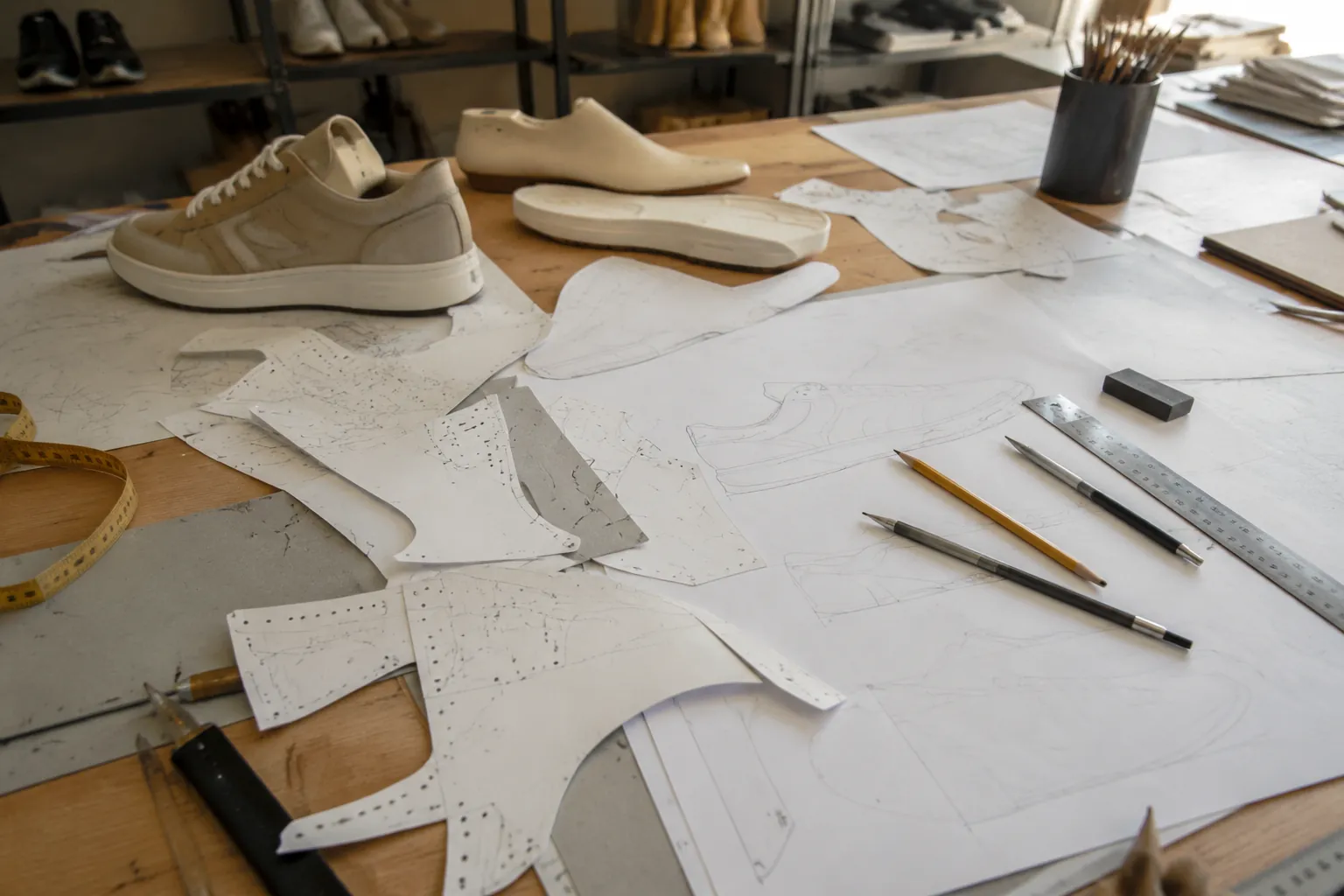
Choose OEM for stronger product control and differentiation. Choose ODM when speed, lower development complexity, and use of an existing platform matter more. In both models, approve actual materials, fit, branding, packaging, and the final bulk reference.
Buyer terminology and search intent
Buyers often reach the same sourcing problem through different phrases. Use each term to build a controlled product brief rather than a broad supplier promise.
- oem shoesThis guide uses the phrase as a practical buying topic and connects it to the specification, risk, and approval decisions behind oem vs odm shoes: which model fits your brand?.
- shoe oemThis phrase points to development or brand ownership. It should lead to a clear brief covering fit, materials, construction, artwork, quantity, and approvals.
- private label shoeThis phrase points to development or brand ownership. It should lead to a clear brief covering fit, materials, construction, artwork, quantity, and approvals.
- custom shoe manufacturersThis supplier-search phrase usually signals commercial intent. Buyers should still verify the actual factory, category capability, and order model.
Specification points to confirm
Use these five controls to make quotations and samples comparable. Name the reference, method, tolerance, owner, and approval status for every point that can change cost or quality.
| Control point | What the buyer should define | Why it matters |
|---|---|---|
| Design starting point | OEM starts with buyer design intent; ODM starts with a supplier model, pattern, last, or construction platform. | The starting point determines how much engineering, validation, and differentiation remain. |
| Customization depth | List changes to upper pattern, last, outsole, construction, materials, color, logo, trim, and packaging. | A deep change to an ODM model may become an OEM project in cost and timing. |
| Asset ownership | Confirm ownership and permitted use of patterns, lasts, molds, CAD files, branding artwork, and modified designs. | Supplier-developed assets may carry limits that affect exclusivity or future transfer. |
| Sampling path | Define the number and purpose of samples, including fit, color, size set, wear review, and preproduction confirmation. | ODM can be faster, but it still needs approval against your market and quality standard. |
| Commercial objective | Rank launch speed, target cost, exclusivity, repeatability, design control, and internal development capacity. | The best model is the one that protects the business priority, not the one with the more attractive acronym. |
A four-stage buyer workflow
Turn the research into a decision that the factory can quote, sample, manufacture, inspect, and repeat.
Normalize the baseline
Compare options against the same consumer, specification, quantity, quality level, trade term, and approval scope. Apply this control: OEM starts with buyer design intent; ODM starts with a supplier model, pattern, last, or construction platform. The starting point determines how much engineering, validation, and differentiation remain.
Separate real tradeoffs
List the effects on fit, appearance, performance, tooling, minimums, unit cost, landed cost, and reorder risk. Apply this control: List changes to upper pattern, last, outsole, construction, materials, color, logo, trim, and packaging. A deep change to an ODM model may become an OEM project in cost and timing.
Validate with evidence
Use samples, sections, measurements, test results, factory records, and qualified professional advice where required. Apply this control: Confirm ownership and permitted use of patterns, lasts, molds, CAD files, branding artwork, and modified designs. Supplier-developed assets may carry limits that affect exclusivity or future transfer.
Record the decision
Document why the selected option fits the range and which assumptions must be reconfirmed before bulk or reorder. Apply this control: Define the number and purpose of samples, including fit, color, size set, wear review, and preproduction confirmation. ODM can be faster, but it still needs approval against your market and quality standard.
Sourcing risks and practical controls
Raise the assumptions most likely to change fit, appearance, cost, quality, or delivery before final sample approval.
An ODM model is assumed to be exclusive
Control: Ask whether the base style is offered to other buyers and which modifications can be protected.
An OEM project is under-briefed
Control: Budget time for pattern, last, component, fitting, and construction decisions rather than expecting one sample to solve them all.
Customization changes the cost after selection
Control: Requote after every major change to leather, outsole, hardware, construction, or packaging.
RFQ checklist
Attach images, drawings, a reference pair, or a tech pack, then state the order, market, and approval assumptions the factory must confirm.
- Design starting point: OEM starts with buyer design intent; ODM starts with a supplier model, pattern, last, or construction platform.
- Customization depth: List changes to upper pattern, last, outsole, construction, materials, color, logo, trim, and packaging.
- Asset ownership: Confirm ownership and permitted use of patterns, lasts, molds, CAD files, branding artwork, and modified designs.
- Sampling path: Define the number and purpose of samples, including fit, color, size set, wear review, and preproduction confirmation.
- Commercial objective: Rank launch speed, target cost, exclusivity, repeatability, design control, and internal development capacity.
- Order architecture: Estimated pairs by style, color, material, and size, plus launch and reorder expectations.
- Market requirements: Destination, channel, labels, testing, packaging, trade term, and customer-specific standards.
- Approval path: Sample purpose, reviewers, comment format, physical references, inspection plan, and release authority.
Frequently asked questions
These answers frame the most common buying decisions for this topic.
Is private label the same as ODM?
They can overlap but are not identical. Private label describes selling under the buyer's brand. ODM describes the supplier providing the starting design. A private-label product may be ODM, OEM, or a lightly customized stock model.
Which is better for a first shoe collection?
ODM can reduce development load when the base model already fits the target market. OEM is better when the brand depends on a distinctive shape, fit, construction, or design language and can support a longer approval path.
Can I move from ODM to OEM later?
Yes. Many brands validate a category with a supplier platform, then invest in custom lasts, outsoles, patterns, and specifications. Document ownership and data access early so the transition is practical.