
Direct answer
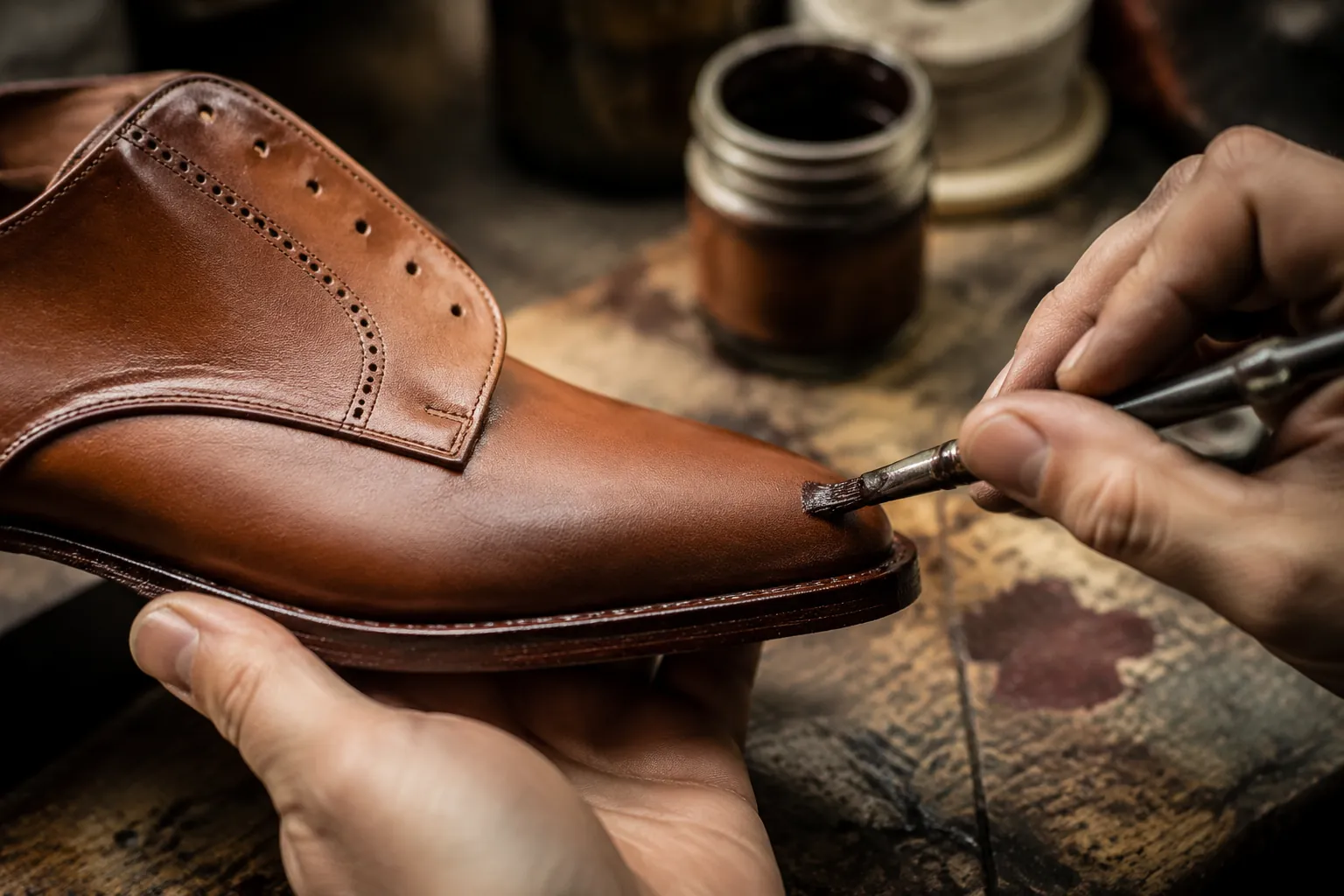
Replace the style label with observable specifications: toe profile, waist, heel, outsole edge, leather article, lining, construction, stitch, color, polish, and weight. Keep design inspiration, material origin, and finished-shoe country of origin separate in all product records and marketing.
Buyer terminology and search intent
Buyers often reach the same sourcing problem through different phrases. Use each term to build a controlled product brief rather than a broad supplier promise.
- italian leather shoesThis guide uses the phrase as a practical buying topic and connects it to the specification, risk, and approval decisions behind italian-style leather shoes: sourcing without origin confusion.
- italian shoe manufacturerThis supplier-search phrase usually signals commercial intent. Buyers should still verify the actual factory, category capability, and order model.
- shoe manufacturers in italyThis supplier-search phrase usually signals commercial intent. Buyers should still verify the actual factory, category capability, and order model.
- loafers made in italyThis product phrase should be qualified by target customer, material, construction, fit, size range, outsole, and intended occasion.
Related buyer searches
These SEMrush variants express closely related product research. They are grouped on this page because the sourcing answer depends on the same fit, material, construction, quality, and order controls.
- italian handmade leather shoes
- italian loafers
- mens italian loafers
- italian loafers mens
- italian loafers womens
- italian loafers ladies
Specification points to confirm
Use these five controls to make quotations and samples comparable. Name the reference, method, tolerance, owner, and approval status for every point that can change cost or quality.
| Control point | What the buyer should define | Why it matters |
|---|---|---|
| Silhouette reference | Define toe shape, toe spring, waist, heel seat, topline, opening, profile, and target weight with annotated images. | A country style label is too broad to guide last and pattern development. |
| Material identity | Record leather supplier article, animal source, tannage, finish, thickness, and documented origin where it matters to claims. | Italian leather and shoes made in Italy are different statements and require different evidence. |
| Construction language | Specify cemented, Blake, welted, moccasin, Bologna-inspired, or another verified structure with a section drawing. | Construction names should describe what is actually built rather than a marketing mood. |
| Finishing standard | Approve edge treatment, waist, sole color, antiquing, burnish, polish, stitching, and acceptable hand-finish variation. | Fine finishing can create the desired character regardless of where production occurs, but it must be controlled. |
| Origin communication | Confirm legal marking, customs documents, component claims, website copy, packaging, and retailer data with responsible advisors. | Ambiguous origin language creates consumer trust and compliance risk. |
A four-stage buyer workflow
Turn the research into a decision that the factory can quote, sample, manufacture, inspect, and repeat.
Define the buying brief
Turn the target customer, product, quantity, market, commercial model, and approval path into one controlled brief. Apply this control: Define toe shape, toe spring, waist, heel seat, topline, opening, profile, and target weight with annotated images. A country style label is too broad to guide last and pattern development.
Qualify the operating supplier
Verify who develops, produces, inspects, communicates, and owns each commitment before comparing price. Apply this control: Record leather supplier article, animal source, tannage, finish, thickness, and documented origin where it matters to claims. Italian leather and shoes made in Italy are different statements and require different evidence.
Sample and verify
Use representative materials, written comments, fit or performance checks, and dated approvals to test the proposed solution. Apply this control: Specify cemented, Blake, welted, moccasin, Bologna-inspired, or another verified structure with a section drawing. Construction names should describe what is actually built rather than a marketing mood.
Release a controlled order
Connect the purchase order to the approved sample, specification, quality plan, packing standard, and change process. Apply this control: Approve edge treatment, waist, sole color, antiquing, burnish, polish, stitching, and acceptable hand-finish variation. Fine finishing can create the desired character regardless of where production occurs, but it must be controlled.
Sourcing risks and practical controls
Raise the assumptions most likely to change fit, appearance, cost, quality, or delivery before final sample approval.
Italian-style becomes an unsupported made-in claim
Control: Use precise design and material language and keep documented country of origin visible.
A leather supplier name is treated as origin evidence
Control: Retain supplier declarations and traceability for the exact leather article and production lot.
Aesthetic references conflict with target cost
Control: Rank the silhouette, material, construction, and finishing elements that create the greatest perceived value.
RFQ checklist
Attach images, drawings, a reference pair, or a tech pack, then state the order, market, and approval assumptions the factory must confirm.
- Silhouette reference: Define toe shape, toe spring, waist, heel seat, topline, opening, profile, and target weight with annotated images.
- Material identity: Record leather supplier article, animal source, tannage, finish, thickness, and documented origin where it matters to claims.
- Construction language: Specify cemented, Blake, welted, moccasin, Bologna-inspired, or another verified structure with a section drawing.
- Finishing standard: Approve edge treatment, waist, sole color, antiquing, burnish, polish, stitching, and acceptable hand-finish variation.
- Origin communication: Confirm legal marking, customs documents, component claims, website copy, packaging, and retailer data with responsible advisors.
- Order architecture: Estimated pairs by style, color, material, and size, plus launch and reorder expectations.
- Market requirements: Destination, channel, labels, testing, packaging, trade term, and customer-specific standards.
- Approval path: Sample purpose, reviewers, comment format, physical references, inspection plan, and release authority.
Frequently asked questions
These answers frame the most common buying decisions for this topic.
Does Italian leather mean the shoes are made in Italy?
No. Leather origin or processing and finished-shoe manufacturing origin are separate. Claims should identify exactly what is Italian and what evidence supports it.
Can a China shoe factory make an Italian-style product?
A factory can develop a refined last, materials, construction, and finishing inspired by a design direction. Marketing must still state the actual manufacturing origin accurately.
What creates an Italian-style dress shoe look?
Common cues can include a shaped last, close waist, fine edge, lighter profile, selected leather, flexible construction, restrained pattern, and expressive finishing, but the brief should specify each feature.