
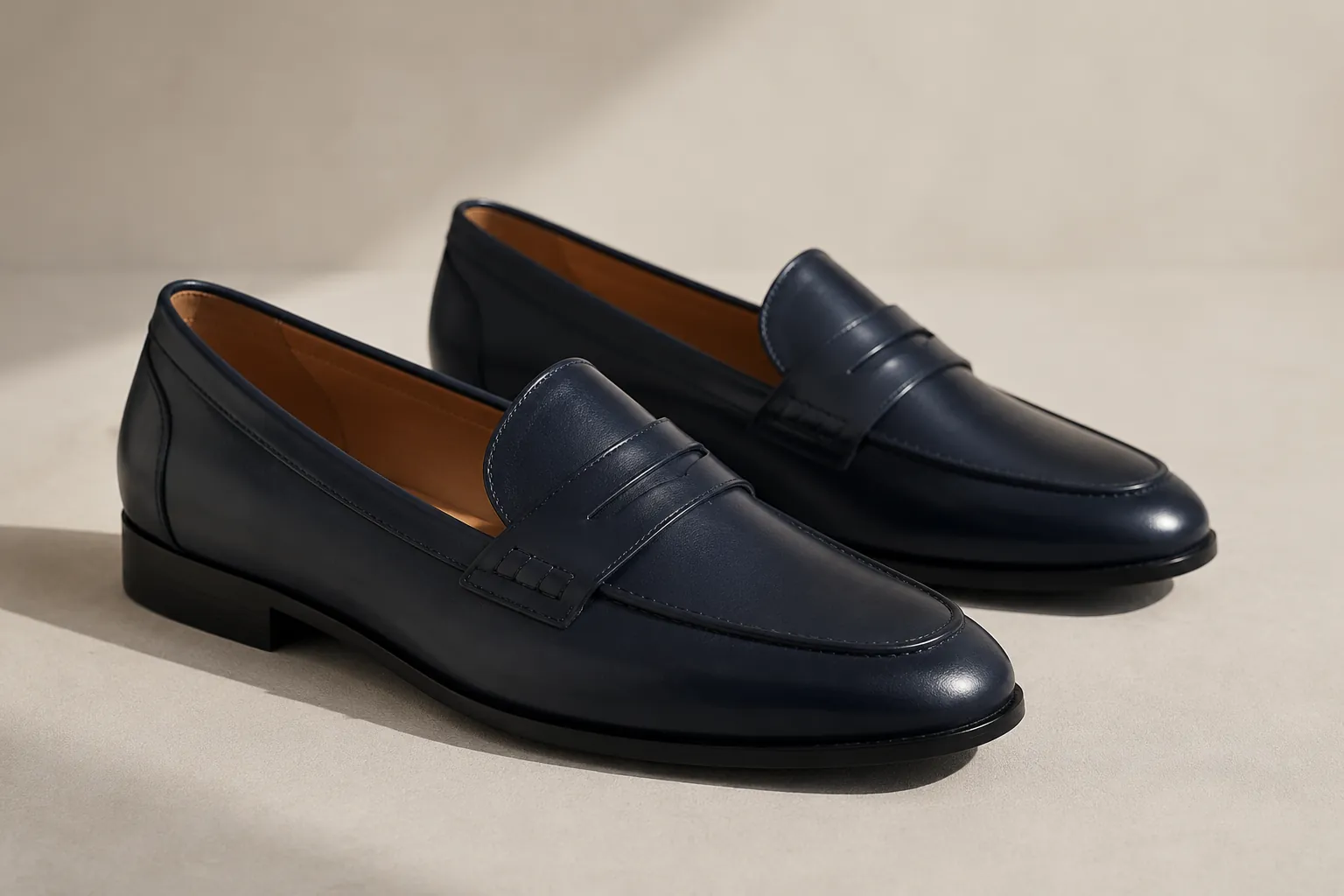
Direct answer
Choose the fit platform and vamp construction first, then develop the bit around actual shoe dimensions. Approve material, plating color, surface finish, weight, geometry, attachment loops, reinforcement, edge safety, corrosion behavior, and pair matching before bulk production.
Buyer terminology and search intent
Buyers often reach the same sourcing problem through different phrases. Use each term to build a controlled product brief rather than a broad supplier promise.
- bit loafersThis guide uses the phrase as a practical buying topic and connects it to the specification, risk, and approval decisions behind bit loafers manufacturing guide for private label ranges.
- horsebit loafersThis product phrase should be qualified by target customer, material, construction, fit, size range, outsole, and intended occasion.
- leather bit loafersThis product phrase should be qualified by target customer, material, construction, fit, size range, outsole, and intended occasion.
- womens bit loafersThis product phrase should be qualified by target customer, material, construction, fit, size range, outsole, and intended occasion.
Related buyer searches
These SEMrush variants express closely related product research. They are grouped on this page because the sourcing answer depends on the same fit, material, construction, quality, and order controls.
- horsebit loafers men
- mens horsebit loafers
- suede horsebit loafers
- horsebit loafers women
- women's horsebit loafers
Specification points to confirm
Use these five controls to make quotations and samples comparable. Name the reference, method, tolerance, owner, and approval status for every point that can change cost or quality.
| Control point | What the buyer should define | Why it matters |
|---|---|---|
| Hardware geometry | Define overall length, link shape, bar diameter, articulation, decorative details, logo, tolerance, and pair weight. | A small dimensional change can pull the vamp, alter fit, or make paired shoes look inconsistent. |
| Base metal and plating | Specify base material, plating stack, color reference, gloss, texture, protective coating, and relevant chemical requirements. | Plating appearance and durability depend on the complete process, not a color name. |
| Attachment system | Map loops, tabs, stitches, rivets, hidden supports, and allowable movement with dimensions and pull direction. | Secure hardware must not cut the leather, rotate excessively, or create pressure on the foot. |
| Vamp reinforcement | Set leather thickness, backing, reinforcement shape, skiving, and stitch path under the bit. | The vamp needs enough structure to resist sagging without becoming uncomfortable. |
| Packing protection | Define wrapping, separators, anti-scratch film, moisture control, and shoe-to-shoe orientation in the box. | Metal can mark leather or other hardware during transport if contact is not controlled. |
A four-stage buyer workflow
Turn the research into a decision that the factory can quote, sample, manufacture, inspect, and repeat.
Give the style a range role
Define the consumer, occasion, price position, material story, color, channel, and the job this SKU performs. Apply this control: Define overall length, link shape, bar diameter, articulation, decorative details, logo, tolerance, and pair weight. A small dimensional change can pull the vamp, alter fit, or make paired shoes look inconsistent.
Approve the fit platform
Set the last, opening, hold, toe allowance, flex, lining, insole, outsole, and wearing conditions before decoration. Apply this control: Specify base material, plating stack, color reference, gloss, texture, protective coating, and relevant chemical requirements. Plating appearance and durability depend on the complete process, not a color name.
Engineer visible details
Control pattern geometry, seams, hardware, reinforcement, edge treatment, branding, grading, and component compatibility. Apply this control: Map loops, tabs, stitches, rivets, hidden supports, and allowable movement with dimensions and pull direction. Secure hardware must not cut the leather, rotate excessively, or create pressure on the foot.
Turn the sample into QC
Convert approved fit and appearance into measurements, photos, workmanship points, tests, packing rules, and defect limits. Apply this control: Set leather thickness, backing, reinforcement shape, skiving, and stitch path under the bit. The vamp needs enough structure to resist sagging without becoming uncomfortable.
Sourcing risks and practical controls
Raise the assumptions most likely to change fit, appearance, cost, quality, or delivery before final sample approval.
Plating shade differs across the pair
Control: Approve a physical color range and inspect hardware as matched pairs under consistent lighting.
The bit leaves pressure marks on the upper
Control: Review geometry, movement, reinforcement, clearance, and fitting with flexed feet.
Hardware passes appearance review but fails use
Control: Add pull, torque, flex-contact, corrosion, sharp-edge, and coating checks appropriate to the design.
RFQ checklist
Attach images, drawings, a reference pair, or a tech pack, then state the order, market, and approval assumptions the factory must confirm.
- Hardware geometry: Define overall length, link shape, bar diameter, articulation, decorative details, logo, tolerance, and pair weight.
- Base metal and plating: Specify base material, plating stack, color reference, gloss, texture, protective coating, and relevant chemical requirements.
- Attachment system: Map loops, tabs, stitches, rivets, hidden supports, and allowable movement with dimensions and pull direction.
- Vamp reinforcement: Set leather thickness, backing, reinforcement shape, skiving, and stitch path under the bit.
- Packing protection: Define wrapping, separators, anti-scratch film, moisture control, and shoe-to-shoe orientation in the box.
- Order architecture: Estimated pairs by style, color, material, and size, plus launch and reorder expectations.
- Market requirements: Destination, channel, labels, testing, packaging, trade term, and customer-specific standards.
- Approval path: Sample purpose, reviewers, comment format, physical references, inspection plan, and release authority.
Frequently asked questions
These answers frame the most common buying decisions for this topic.
Can a private-label brand use custom bit hardware?
Yes. Custom geometry or logos may require tooling and supplier minimums. Clarify design ownership, mold cost, plating minimum, size options, and replacement terms.
Are bit loafers only for formal ranges?
No. Fine hardware, sleek lasts, and leather soles can look formal, while chunky soles, soft uppers, and larger hardware create casual positions.
How should metal hardware be tested?
Select tests around attachment strength, sharp edges, plating adhesion, corrosion, restricted substances, movement, and contact with leather, based on target market and use.